Song Meaning
Marc Almond's "End in Tears" isn't just a breakup song; it's a post-mortem on a relationship perpetually circling the drain. The cyclical nature of connection and inevitable collapse is the central theme here. Almond lays bare the painful awareness that despite shared laughter and growing intimacy, a fundamental incompatibility dooms them to repeat the same heartbreaking pattern. The blunt repetition of "Ends in tears" drives home the feeling of resignation, a weary acceptance of a fate they seem powerless to change. It's the emotional equivalent of relationship Groundhog Day.
There's a palpable sense of self-awareness laced with a touch of self-deprecation in Almond's delivery. The lines "I'm not really what you want / No matter how hard I try / I'll never been enough for you" reveal a deep-seated insecurity and a recognition of his perceived shortcomings. This isn't about blaming the other person; it's an acknowledgement of an unbridgeable gap. The "always ends in goodbye" sentiment, therefore, feels less like a dramatic farewell and more like a foregone conclusion, a sad but inevitable outcome.
But perhaps the most unsettling, and arguably the most psychologically complex, aspect of "End in Tears" lies in its closing lines: "But whatever / You know / I'll always love you / Until the next time..." This isn't a declaration of undying devotion; it's an admission of a self-destructive pattern. The phrase "until the next time" suggests an almost addictive quality to the relationship's drama, a morbid anticipation of the next cycle of love and loss. It hints at a deeper need for the emotional intensity, even if it's ultimately damaging, revealing the dark underbelly of codependency and the allure of familiar pain. The song meaning, therefore, transcends simple heartbreak; it delves into the complexities of human attachment and the often-unconscious repetition of destructive behaviors.
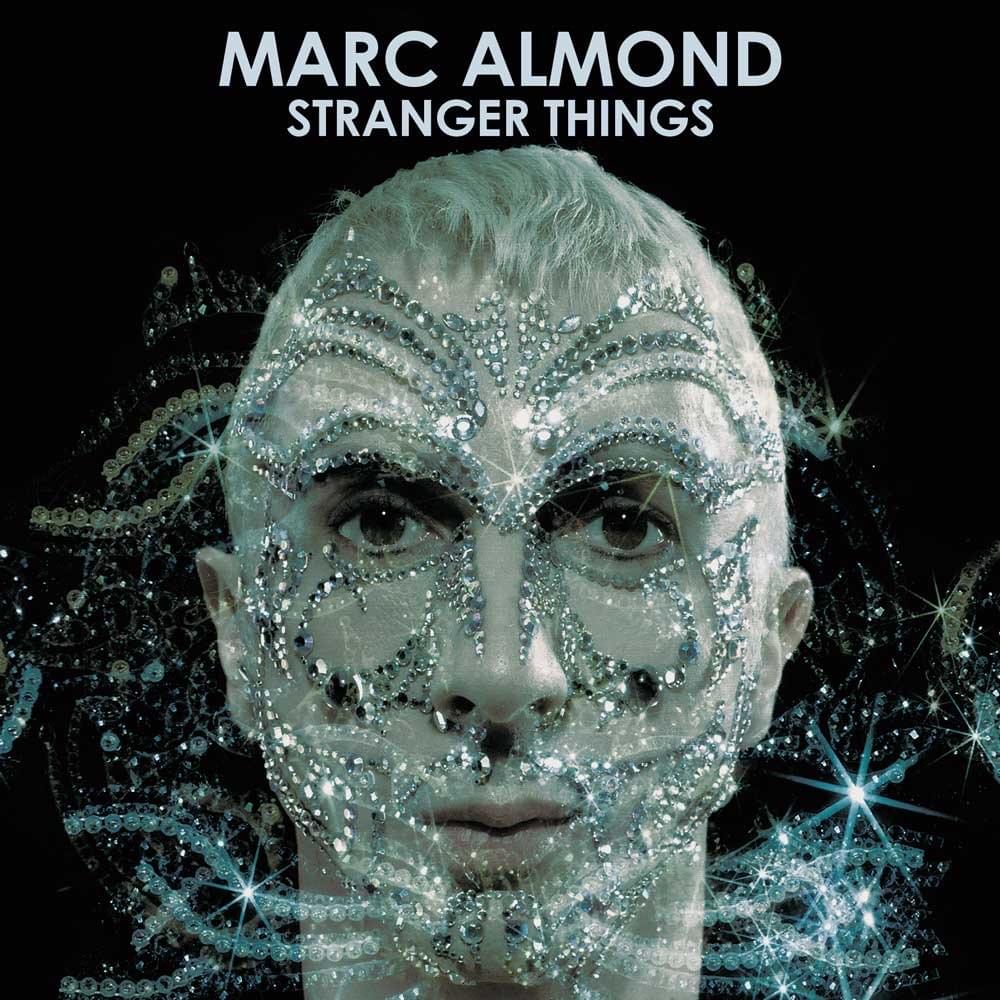
 View Artist