Song Meaning
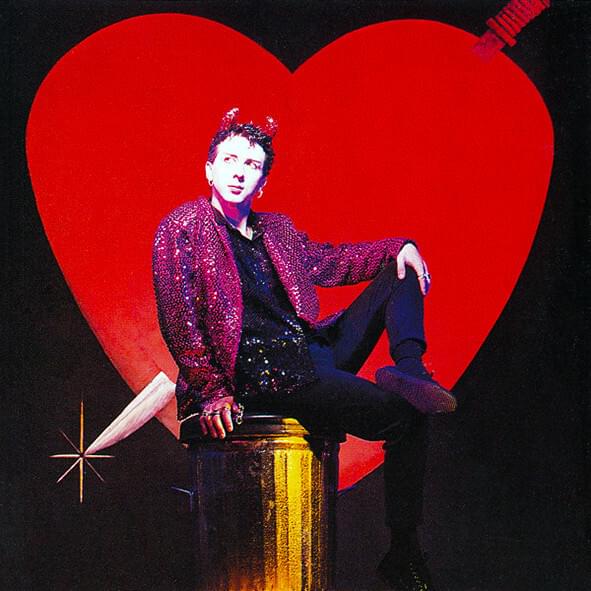
Marc Almond's "Crime Sublime" is a masterclass in romantic masochism, a darkly glittering exploration of love found in the wreckage. The song doesn't shy away from the inherent contradictions of desire, instead, it leans into them with a theatrical flair that's both captivating and unsettling. Almond's lyrics paint a picture of a love affair fueled by pain and fleeting moments of transcendent connection. The opening lines, "I love you when you're black and blue / I love you when you're sad," immediately establish a dynamic where suffering is not a deterrent but rather an aphrodisiac, a catalyst for intense feeling. This isn't a healthy love, but it's undeniably a potent one. The phrase "love like sparks flies out of you" suggests a volatile, almost dangerous energy emanating from the object of affection. It hints at the idea that the most intense emotions are often born from conflict and turmoil.
The recurring question, "Could this be a crime / To feel so sublime?" lies at the heart of the song's meaning. It acknowledges the potential for moral judgment, the societal disapproval of finding pleasure in pain. Yet, Almond seems to suggest that such judgments are irrelevant in the face of overwhelming emotion. The heart, he sings, "cries like the sea at night / For love crimes thrown away." This image evokes a sense of vast, inconsolable grief over lost opportunities for intense, even destructive, love. The prayer mentioned offers no solace, and there is a sense that the object of affection is ultimately unattainable, destined to leave.
The final verse, with its plea, "Come to me my pale face baby / Come to me and don't be pale," is particularly poignant. It reveals a vulnerability beneath the surface of the song's initial bravado. The two minutes of silence requested for the "dead heart" is a stark admission of emotional devastation. It's a moment of quiet despair that underscores the high cost of the 'crime sublime.' The song meaning, therefore, resides in this tense interplay between ecstatic pain and the crushing weight of its consequences, a landscape Marc Almond navigates with signature charisma.
 View Artist