Song Meaning
Marc Almond's "Bread & Circus" isn't just a song; it's a stark commentary on societal distraction in the face of adversity, a sentiment ripped straight from the decaying heart of the Roman Empire. The phrase itself, *panem et circenses*, points to the historical practice of emperors using cheap food and spectacular entertainment to pacify the masses and divert their attention from deeper problems. Almond cleverly recasts this ancient strategy for a modern audience, highlighting how little has changed in our collective psyche. The "bad times" and "hard times" he references aren't just personal woes; they're societal ills that demand more than just escapism. The repeated plea for "a little bit of bread and circus" becomes both a yearning and a condemnation. It acknowledges the human need for comfort in crisis while simultaneously critiquing our willingness to settle for superficial solutions.
While the verses acknowledge the desire for distraction ("send in the clowns to entertain us"), they also hint at a deeper longing for something more authentic. The lyrics "I don't need no ostentatious bling / Just a slice of bread and butter / And a song to sing" reveal a yearning for simple pleasures and genuine connection, a stark contrast to the empty spectacle of the circus. This juxtaposition is key to understanding the song's meaning. It's not a complete rejection of entertainment, but a call for balance. A plea to not let the glitter of the circus blind us to the hunger pangs that only real sustenance can satisfy. The bread and circus are not inherently evil, but they become insidious when they are the *only* things on offer.
The emotional core of “Bread & Circus” lies in its understanding of human vulnerability. The lines “When life conspires to hurt us” and “When all our friends desert us” capture a sense of isolation and betrayal that is both timeless and deeply personal. In these moments of despair, the temptation to seek solace in fleeting distractions is understandable. However, Almond suggests that true resilience lies not in escaping reality, but in finding strength in simple joys and shared experiences. The “acrobat” and the “crust” become symbols of fleeting pleasure and basic survival, reminders that even in the darkest of times, there is still beauty and sustenance to be found. Ultimately, the song meaning suggests that while bread and circus may offer temporary relief, they are no substitute for genuine connection, critical thought, and a willingness to confront the "bad times" head-on.
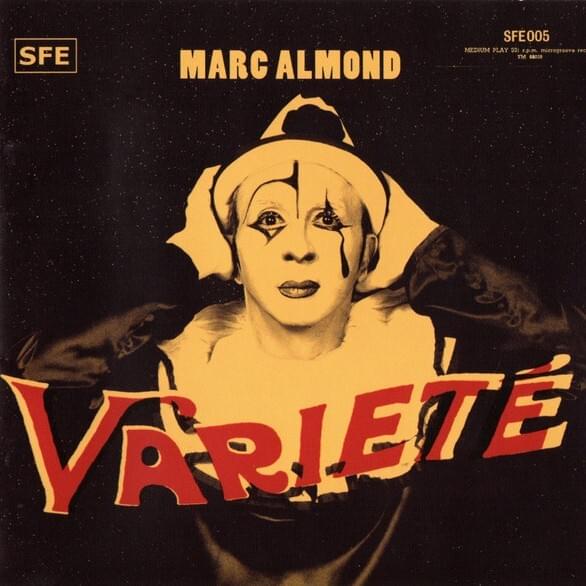
 View Artist