Song Meaning
“Les vieux sentiers” immediately establishes a sense of nostalgia and perhaps loss. The lyrics paint a somber picture of ancient paths, both natural and spiritual, under threat. They are “méconnus” and “mordus,” suggesting a quiet, insidious destruction. A deep melancholy permeates the opening lines.
The core tension emerges from the clash between these venerable “old paths” and the “hommes du monde.” There's a striking irony in “âmes clairvoyantes” failing to recognize the value of these routes, while “hommes affables animés de richesses” actively gnaw at them. This suggests a world where outward charm and perceived insight mask a destructive materialism, eroding the very essence of being, described as “toute ivresse de l'être.”
The power of these lyrics lies in the evolving personification of “les vieux sentiers.” They are not just physical trails but “sentiers des âmes,” feeling “mordus” and “en flammes,” experiencing “blessures corporelles.” This poetic device transforms abstract concepts of tradition or inner peace into vulnerable entities, making their neglect and destruction viscerally felt. The progression from paths of “trees” to “souls” to “men” broadens the scope of this lament, hinting at a universal human condition.
The emotional punch comes from the stark contrast between the quiet dignity of the “vieux sentiers” and the aggressive, unfeeling forces that diminish them. The question “Que pourront les vieux sentiers des hommes” hangs heavy, emphasizing a legacy of “sans vie, sans une trace d'amour, héritage de cris.” Yet, a fragile hope emerges: “nos vieux corps endormis” might leave “quelques gouttes de bonheur,” suggesting that even in decline, a seed of peace can “fleurir” for future generations.
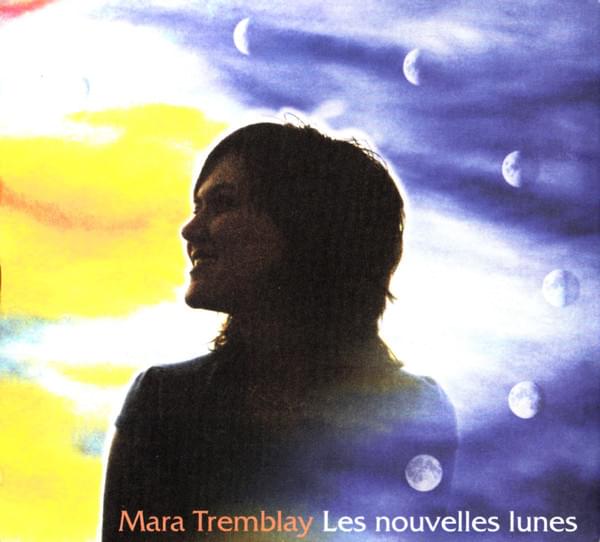
 View Artist