Song Meaning
The lyrics paint a stark picture of a person passively surrendering to overwhelming external forces, mistaking their numbing effect for peace. The narrator observes someone allowing external 'noise' to paradoxically lead them into silence, and a 'storm' to 'calm the chaos.' This suggests a profound detachment, where the individual stops actively engaging with their own internal state, instead letting external disturbances dictate their experience.
The central tension lies in this deliberate abdication of agency. The repeated phrase 'Tu laisses' (You let/allow) emphasizes a lack of resistance, a conscious choice to be acted upon rather than to act. This passivity is framed not as a moment of quiet reflection, but as a descent into a deeper void, where 'silence' becomes the absence of all sound and 'absence' the cessation of all anticipation. The 'chaos' isn't resolved; it's merely temporarily subdued by an even greater disruption.
The most striking craft element is the use of oxymoronic pairings: 'bruit' (noise) leading to 'silence,' and 'tempête' (storm) calming 'chaos.' These aren't resolutions but inversions, where the extreme is used to obliterate the moderate. The lyrics suggest that the only way this person can find respite from internal turmoil is by being overwhelmed by external forces, leading to a state of complete sensory and emotional shutdown. The repetition of 'Jusqu'à ne plus rien entendre' (Until hearing nothing anymore) and 'Jusqu'à ne plus rien attendre' (Until expecting nothing anymore) hammers home this theme of ultimate emptiness.
This writing is effective because it captures a specific, unsettling psychological state. It’s not about finding peace, but about the terrifying quiet that follows total surrender to overwhelming stimuli. The stark, almost clinical observation of this process, without judgment but with a clear sense of its destructive outcome, makes the listener confront the chilling implications of letting external 'noise' and 'storms' erase one's own inner world.
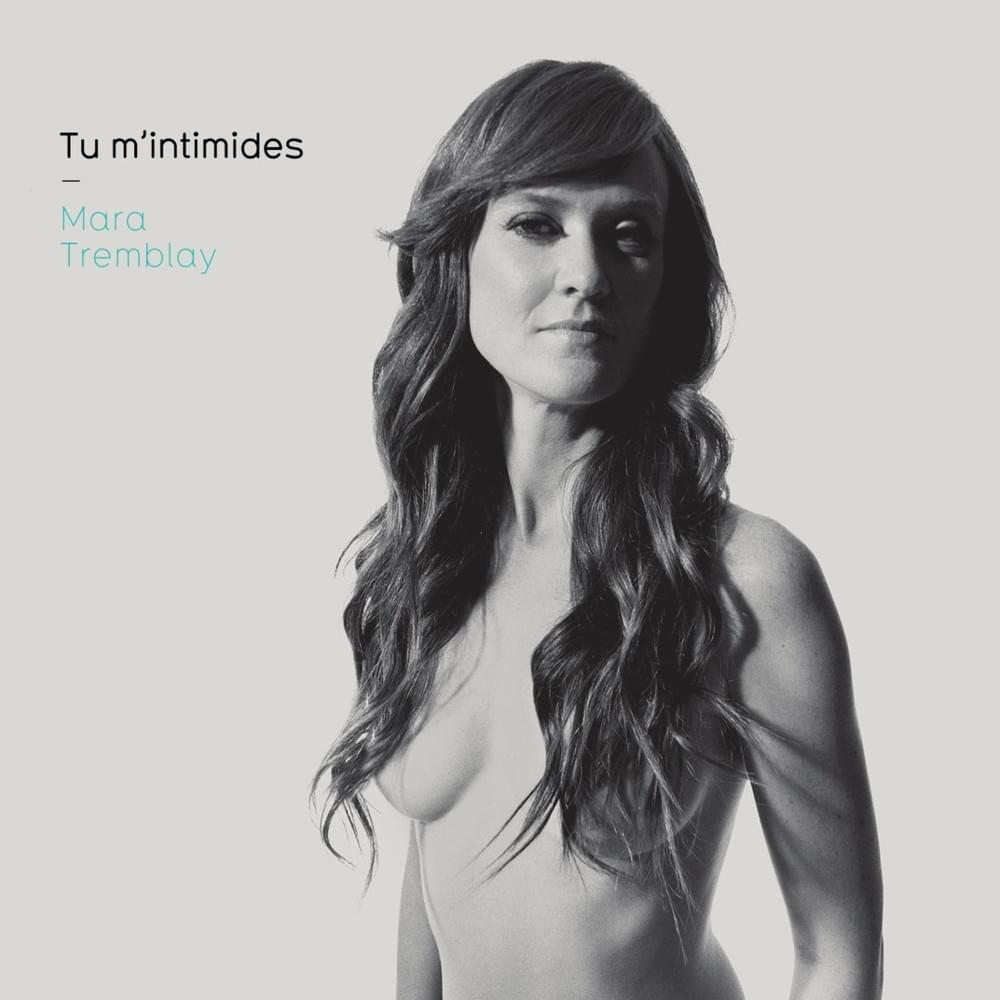
 View Artist