Song Meaning
The narrator is caught in a loop of regret and self-sabotage, fixated on a past opportunity they can no longer grasp. They're trying to recapture a lost ideal, a perfect past represented by being "the apple that fell from your eye," but this effort only leads to emotional pain. The lyrics reveal a deep internal conflict, a struggle between a desire for forward motion and an inability to escape self-destructive patterns.
The central tension lies in the repeated phrase "I give in to the fear." This isn't just a passive surrender; it's an active choice that paralyzes the narrator. They acknowledge the futility of their actions, wondering "why" they continue this cycle, yet the fear consistently wins. This internal battle is further highlighted by the contradictory statements about turning their back – they claim they're not turning back, but then admit they "can't help but turn my back / On myself."
The most striking aspect of the craft is the juxtaposition of longing for a "moment that has long gone by" with the present-day act of self-inflicted "tears." The imagery of the "apple that fell from your eye" is particularly potent, suggesting a lost favor or a cherished ideal that has now been discarded. This creates a poignant picture of someone desperately trying to reclaim something irretrievable, leading to a profound sense of self-betrayal.
Ultimately, the effectiveness of these lyrics stems from their raw depiction of internal paralysis. The simple, direct language, coupled with the insistent repetition of "I give in to the fear," creates a feeling of inescapable dread. The narrator's admission of turning their back on themselves, despite wanting to move forward, resonates as a stark and honest portrayal of self-destructive tendencies that many listeners can recognize.
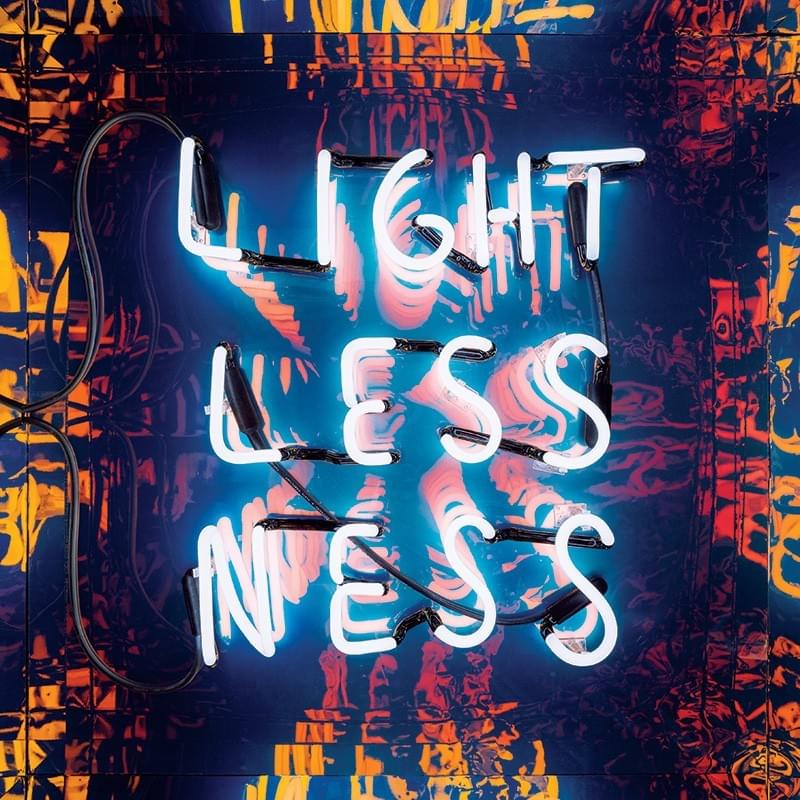
 View Artist