Song Meaning
The lyrics paint a stark picture of a desire for oblivion, a radical rejection of life's struggles and societal expectations. The narrator envisions digging a deep grave in fertile soil, seeking a profound, shark-like sleep of forgetfulness. This isn't a gentle fading away, but a deliberate act of self-burial, a desire to cease existing in a state of complete unawareness.
The core tension arises from an intense hatred for conventional death and the rituals surrounding it. The narrator scorns the idea of begging for pity or expecting the world to mourn. Instead, they actively invite the 'flock of crows' to extract the 'filth of my blood,' a visceral image of embracing decay and corruption as a form of release, rather than succumbing to a mournful end.
A striking element is the personification of 'worms' as 'blind-deaf black evils,' yet the narrator approaches them as a 'happy, free corpse.' This paradox highlights a twisted embrace of the grotesque and the finality of death, seeing it not as an end to suffering but as a state of liberation. The 'philosophers of pleasure and fermentation' further suggest a cynical view of existence, where even pleasure is reduced to a biological process.
This intense imagery and defiant tone create a powerful, unsettling effect. The lyrics suggest a profound weariness with the human condition, a desire to escape the 'morality of kidneys' and the very essence of being, opting for a state of pure, unfeeling physicality. The final lines, 'This body that has no soul, dead among the dead,' solidify the narrator's aspiration for a complete dissolution of self, beyond life, beyond death, into a state of pure, unthinking matter.
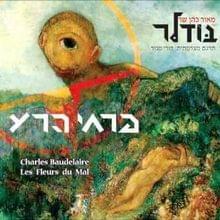
 View Artist