Song Meaning
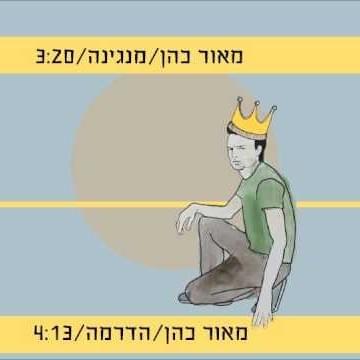
The lyrics paint a stark picture of power transition, where a new ruler seizes control after the previous one is executed. This new king immediately asserts his authority, promising to silence dissent and framing himself as benevolent, unlike his predecessor who apparently failed to pay his debts and was exposed for his lies. The drama of this power grab is presented with a sense of theatricality, embraced even with the knowledge of its painful nature.
The central tension lies in the cyclical and brutal nature of leadership, where violence and deception are tools for maintaining control. The new king's claim of being the "good king" is immediately undermined by the justification for the previous king's hanging – a debt unpaid and a lie revealed. This suggests a system where the reasons for downfall are less about justice and more about the opportune moment for a coup, with the new leader eager to eliminate any opposition to solidify his reign.
The writing cleverly uses the imagery of a king and his court to explore darker themes. The line "To the king, the enemy is needed like air" is particularly potent, revealing the inherent need for external threats to justify a ruler's power and actions. This is contrasted with the innocent figures of "child, woman, and sister," who are presented as those who don't love wars, highlighting the disconnect between the rulers and the ruled, and the grim satisfaction derived from the suffering of others.
Ultimately, these lyrics resonate because they expose the cynical mechanics of power. The narrator seems to revel in the spectacle of it all, even the violence, suggesting a deep-seated, perhaps uncomfortable, fascination with the raw exercise of authority. The final lines, "Everyone here is happy / That someone else is hanged here," deliver a chilling commentary on how easily people can be conditioned to accept or even celebrate the downfall of others, especially when it distracts from their own precarious positions.
 View Artist