Song Meaning
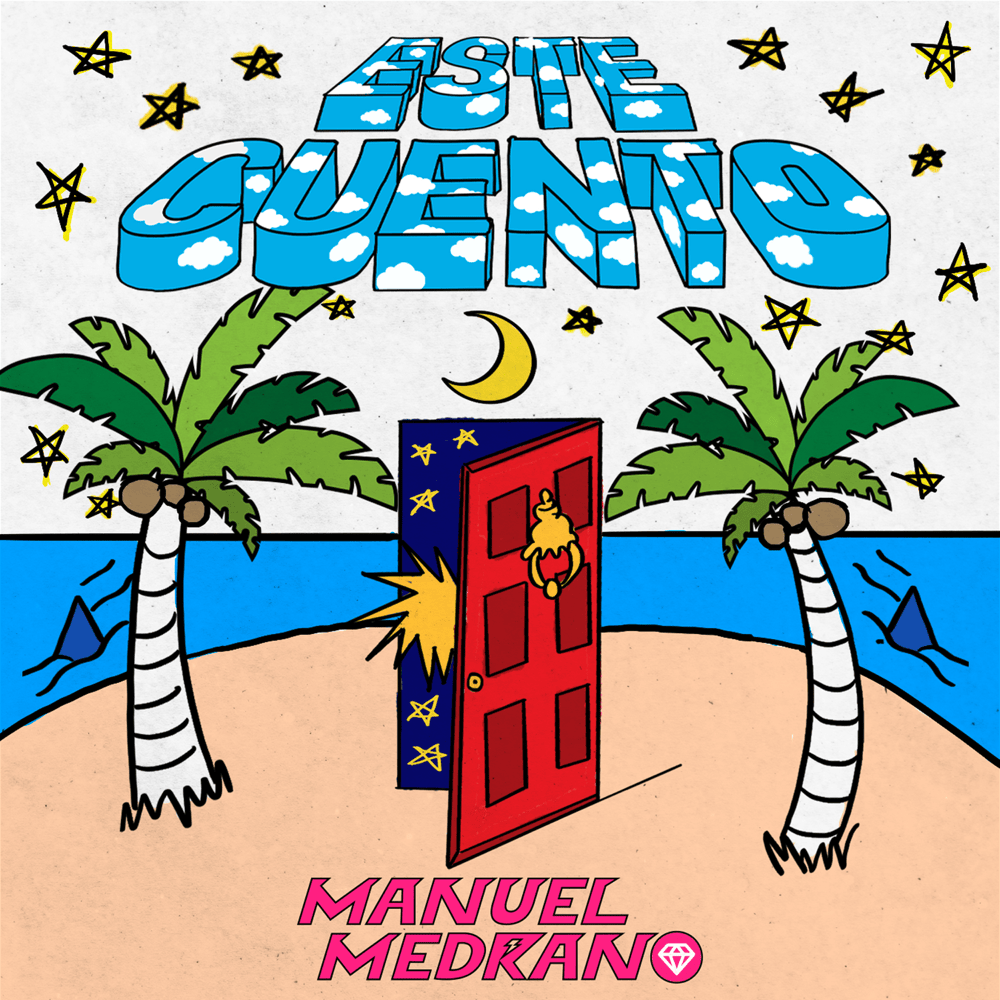
Manuel Medrano's "Este Cuento" isn't just a song; it's a masterclass in romantic regret, rendered with the kind of aching vulnerability that burrows under your skin. The track revolves around the central metaphor of a shared story, a "cuento" in which two lovers are inextricably linked, "solos los dos en el mismo cuaderno" (just the two of us in the same notebook). But this idyllic image quickly fractures. The singer laments a past where he enabled his lover's escape, a sacrifice that now leaves him drowning in their shared memories. The lyrics suggest a deep-seated conflict between selfless love and the pain of abandonment. He helped her find her freedom, but in doing so, lost her and perhaps, a part of himself. There's a palpable sense of being haunted by 'what ifs'.
Medrano's artistic strength lies in his ability to juxtapose longing with a bittersweet acceptance. The chorus, a plea to the stars and a promise to love itself, reveals a desperate hope for reconciliation. He yearns to be reunited, vowing never to let her escape again if given another chance. Yet, the second verse introduces a profound dilemma: "Yo diría que / Te quedes conmigo / Pero diría también / 'Ve y sé feliz'" (I would say / Stay with me / But I would also say / 'Go and be happy'). This internal conflict—the desire for personal happiness versus the lover's well-being—is at the heart of the song's emotional power. It suggests a maturity beyond simple possessiveness, acknowledging that true love sometimes means letting go.
Ultimately, the song meaning of "Este Cuento" resides in the complex push-and-pull of love, sacrifice, and the acceptance of individual destinies. It is an exploration of a relationship's aftermath, tinged with regret but also illuminated by a lingering affection. It's a sophisticated take on heartbreak, one that resonates with anyone who has grappled with the bittersweet reality that love doesn't always conquer all, and sometimes, the greatest act of love is letting someone go, even when it shatters your own heart.
 View Artist