Song Meaning
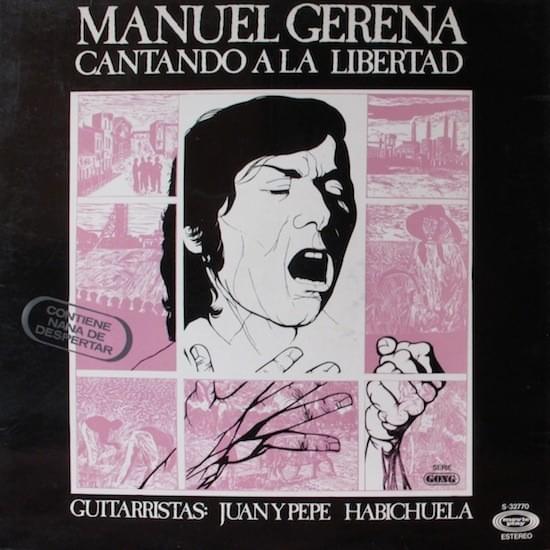
This lullaby, titled "Nana de despertar" (Lullaby of Awakening), opens with a raw, visceral connection: "Hijo de mis venas" (Son of my veins). The narrator implores the child not to sleep before hearing the lullaby, establishing an immediate sense of urgency and a desire to impart crucial knowledge. The dominant tone is one of deep maternal love mixed with a stark warning against a life of deception. It’s a plea for the child to remain awake and aware, to absorb a hard-won truth before succumbing to the innocence of sleep.
The central tension lies in the contrast between the gentle act of singing a lullaby and the harsh realities being described. The narrator warns, "No vivas tú de engaño" (Don't live by deception), and directly confronts a common belief about the afterlife: "Muere el que se muere / Y queda en la tierra / No sube a la gloria / Como algunos piensan" (He who dies, dies / And remains on earth / Does not rise to glory / As some think). This suggests a worldview grounded in earthly existence and the tangible consequences of one's actions, rather than spiritual salvation. The lyrics seem to advocate for living truthfully and acknowledging the finality of death.
The most striking element is the juxtaposition of the intimate "mi niño" (my child) with the bleak pronouncements about life and death. The narrator uses earthy metaphors, advising the child not to drink if the wellspring is tainted ("Si tienes pajatros, no bebas" - If you have impurities, don't drink). This extends to their own difficult circumstances: "De cortos alimentos / Seguimos malviviendo" (With short rations / We continue to live poorly). Yet, amidst this hardship, a flicker of hope emerges: "Pero ha de llegar el día / Que el trigo sea nuestro" (But the day will come / When the wheat will be ours). This promise of future abundance, of reclaiming what is rightfully theirs, provides a powerful counterpoint to the immediate struggle.
Ultimately, the effectiveness of these lyrics stems from their unvarnished honesty and the deep emotional current beneath the surface. The narrator isn't just singing a child to sleep; they are imparting a survival guide, a philosophy forged in scarcity and disillusionment. The repeated "Hijo de mis venas" reinforces the unbreakable bond, making the harsh lessons feel like an act of profound protection. The closing lines, "Duérmete, mi niño / Ya que to' lo sabes" (Sleep, my child / Since you know it all), carry a bittersweet weight, suggesting the child has absorbed the essential, difficult truths, and can now rest, perhaps a little less innocent but more prepared for the world.
 View Artist