Song Meaning
The narrator opens by listing simple, tangible sources of joy and comfort: a young child's laughter, a family meal, a loyal dog, and a memory on the wall that wards off fear. These aren't grand possessions but everyday moments that provide deep emotional sustenance. The repetition of "Tengo" (I have) emphasizes a sense of abundance, not of wealth, but of meaningful connections and experiences that ground the speaker.
The core of the song's sentiment lies in the contrast between material wealth and true fortune. The narrator explicitly states, "Que no soy un pobre porque no tenga dinero" (That I'm not poor because I don't have money). This isn't a dismissal of financial hardship, but a redefinition of richness. The lyrics suggest that the most valuable treasures are intangible and cannot be bought, directly challenging conventional notions of success and poverty.
The lyrics highlight two distinct loves: one that is deeply passionate, perhaps a past or current romantic partner who gave their "heart" for the narrator's "bones," and another, more enduring love, represented by someone who "combs gray hair and shares my last name." This latter love appears to be a long-term companion, possibly a spouse, whose presence is essential, as the narrator admits, "Without you... I lack everything." This duality of love underscores the profound importance of companionship in the narrator's life.
Ultimately, the song crafts a powerful argument for gratitude by focusing on the non-monetary aspects of life. The "dream" that "no pirate or government will break" and the "friend who accompanies me to hell" are testaments to resilience and loyalty. The "kiss of dawn" that "illuminates the soul" and the simple pleasures like "a wine, a sunset, a Camarón fandango" all contribute to a feeling of being profoundly blessed, proving that true fortune is found in love, friendship, and cherished moments, not in possessions.
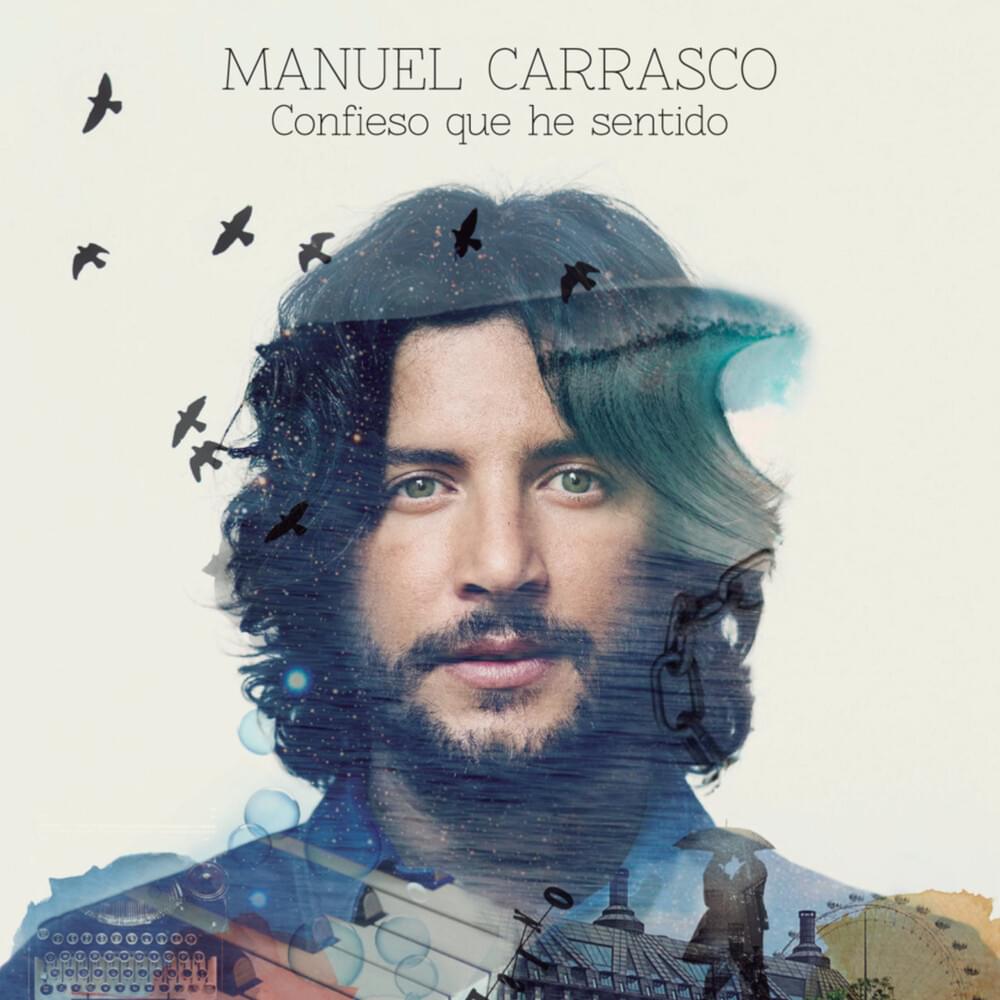
 View Artist