Song Meaning
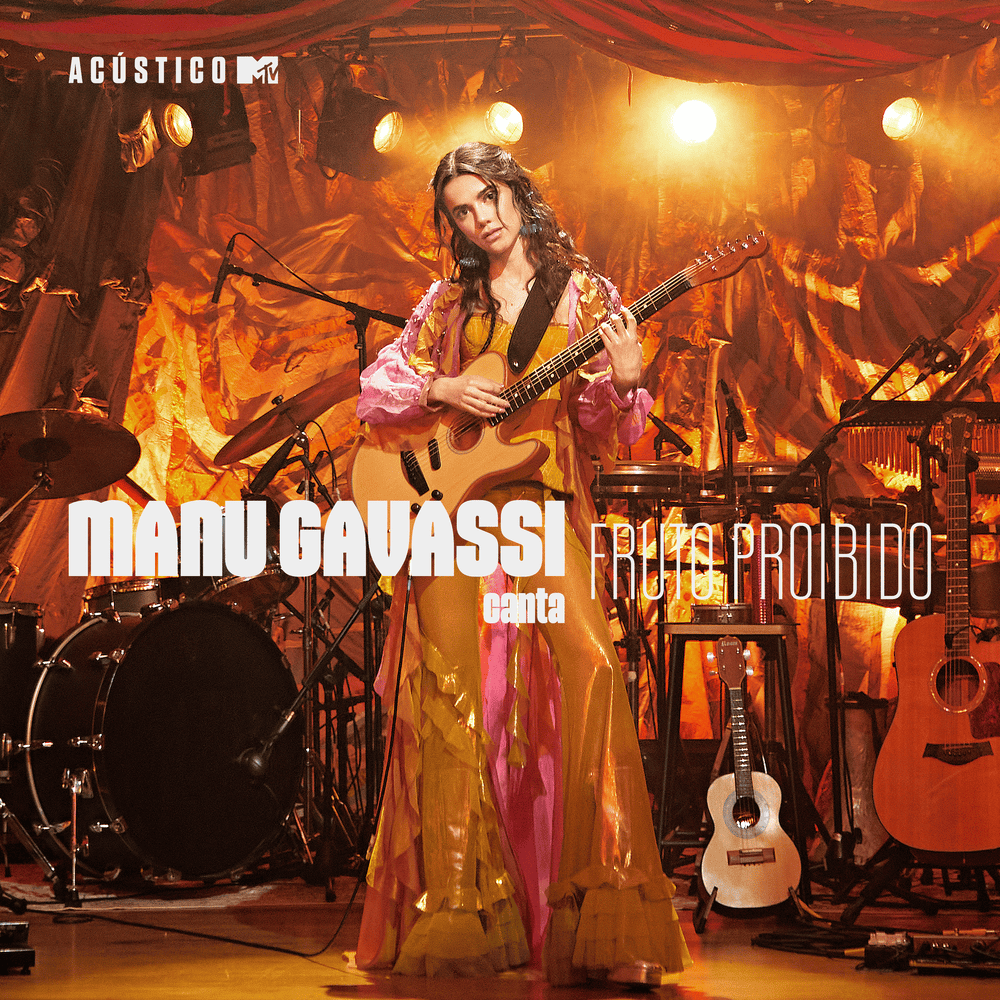
{"song_id": 14990172, "meaning": "Manu Gavassi's \"Dançar Pra Não Dançar (Acústico MTV)\" isn't just an invitation to the dance floor; it's a subtle rebellion against the weight of modern existence. The core of the song meaning resides in its insistent call to 'dance, dance, dance' – a mantra that serves less as party encouragement and more as a desperate plea for temporary escape. Gavassi isn't advocating for mindless hedonism, but rather suggesting movement as a form of resistance against the 'duplo sentido' – the double meaning, the hidden anxieties – of simply being alive 'ainda' (still). This 'ainda' hints at a world-weariness, a recognition of the burdens we carry, making the dance a vital, albeit temporary, reprieve. The acoustic setting further emphasizes the vulnerability within this dance. Stripped of electronic artifice, it feels rawer, more intimate.
The reference to Isadora Duncan is particularly insightful. Duncan, a pioneer of modern dance, famously broke free from the constraints of classical ballet, prioritizing emotional expression and individual freedom. Gavassi invokes Duncan not merely as a historical figure, but as an embodiment of artistic liberation. To 'dance like Isadora' is to reject conformity, to embrace the uninhibited expression of the self. The lyrics subtly propose that in embracing the present moment through movement, one can reconnect with their body and with freedom itself.
The chorus, with its repetitive 'Hey, ya, hey, ya,' acts as a hypnotic suggestion, a sonic wave designed to wash over the listener and loosen their inhibitions. The later addition of 'Um movimento qualquer / Sobe à cabeça e os pés / Sinta o corpo / Você está solto / E pronto pra vir me amar' (Any movement / Goes to the head and feet / Feel the body / You are free / And ready to come love me) explicitly links physical freedom with emotional openness and the potential for connection. The song thus posits dance as a gateway to self-love and, ultimately, to being receptive to love from others. The mentioning of Mônica Agena and Juliana Vieira as a bridge is interesting but without context, it is difficult to discern the meaning behind it. Perhaps they are muses, friends, or collaborators. Ultimately, \"Dançar Pra Não Dançar\" is a delicately crafted argument for finding solace and liberation in movement, even amidst the pressures of contemporary life."}
 View Artist