Song Meaning
The lyrics paint a picture of yearning and a deep sense of longing for a beloved. The repeated phrase "Haïli haïli sidi h'bibi faïn houa" translates to a desperate search, asking "Where is my beloved?" This sets a tone of anxious anticipation, as if the speaker is calling out into an empty space. The repetition emphasizes the persistent nature of this search and the emotional weight it carries.
The central tension lies in the beloved's absence and the speaker's resulting distress. Phrases like "Massah'rini" (you touched me/affected me) and "Lam'hazbini" (you worried me/made me sad) suggest a deep emotional connection that is now causing pain due to separation. The question "Oua h'bibi malou oun'sani?" – "Why has my beloved abandoned me?" – reveals the core of the speaker's suffering: a feeling of being forsaken by someone deeply cherished.
The most striking element is the stark contrast between the speaker's profound emotional state and the apparent lack of response. The declaration "Ana m'rid ana m'rid Hata m'rid mabia" translates to "I am sick, I am sick, even the sick person is not with me," which is a powerful, almost surreal expression of isolation. It suggests a sickness of the soul so profound that it transcends even physical ailment, leaving the speaker utterly alone in their suffering.
This lyrical construction is effective because it uses simple, repetitive language to convey a complex and overwhelming emotional landscape. The direct questions and declarations of distress, coupled with the insistent searching, create an immediate sense of empathy. The raw expression of abandonment and sickness, without elaborate metaphor, makes the speaker's pain feel palpable and deeply human.
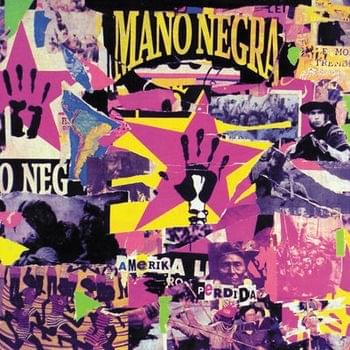
 View Artist