Song Meaning
Manu Chao's "Mama Cuchara" isn't just a song; it's a primal scream for comfort, a yearning for the unadulterated safety of childhood. The incessant rain isn't literal; it's the deluge of adult anxieties, the relentless downpour of a world that chills you to the bone. "Mama Cuchara," or Mother Spoon, becomes the archetypal maternal figure, the provider of warmth ("caldito bien calentito") and shelter from the storm. It is a regression, a deliberate and perhaps necessary retreat into the remembered embrace of unconditional love. The cyclical structure of the lyrics mirrors the repetitive, almost ritualistic nature of seeking solace in familiar patterns during times of stress.
Chao’s genius lies in the song’s simplicity. There is no complex narrative, no intricate wordplay. Instead, the directness of the plea – "Mama cuchara ayudame / Esta lloviendo y yo tengo frio" (Mother Spoon, help me / It's raining and I'm cold) – cuts through the layers of cynicism and defense mechanisms we build as adults. The request for a "ranchito para tu te" (small house for your tea) signifies a desire for simple pleasures, for a return to the unburdened existence where warmth and nourishment were readily provided. This isn’t about material wealth; it’s about emotional sustenance.
"Mama Cuchara" operates on a deeply symbolic level, tapping into the universal human need for security and belonging. The "lluvias mil" (thousand rains) and "aguacerito que va a caer" (little downpour that's going to fall) represent the constant threat of hardship, the perpetual state of vulnerability that defines the human condition. Manu Chao uses the maternal figure not just as a source of comfort but as a bulwark against the elements, a reminder that even in the face of overwhelming adversity, there is always the possibility of finding refuge, of being held and protected, even if only in memory or imagination. The song’s beauty resides in its recognition of this fundamental human longing.
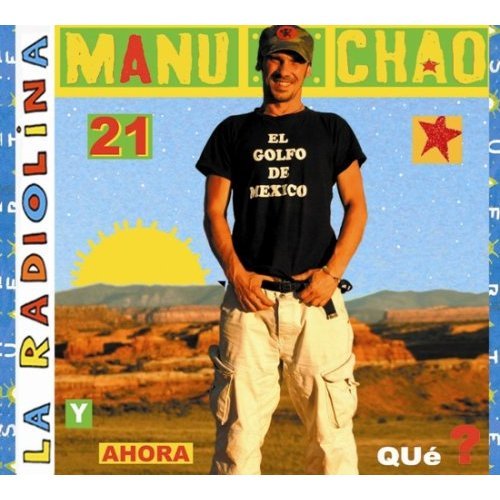
 View Artist