Song Meaning
Manu Chao's "Madame Banquise" is a fascinating, albeit fragmented, exploration of longing and unattainable desire, couched in the musician's signature blend of French and a kind of wistful, globalized romanticism. The repeated phrase "Il est minuit" (It is midnight) sets the stage for a nocturnal reverie, a time when fantasies and melancholic reflections take hold. The "banquise" (ice floe) becomes a central metaphor for the object of the singer's affections – beautiful, but frigid and distant. The lyrics suggest a push-and-pull dynamic, an attraction to something untouchable, perhaps even destructive. Chao's wordplay dances between adoration and a kind of self-aware masochism.
The marquise imagery, with its echoes of French aristocracy, further elevates the sense of unattainable beauty and social distance. The singer describes himself as a "âme en peine" (a soul in pain), dragging himself along, while she remains remote and cold, even as he acknowledges her allure. This contrast highlights the power imbalance in their dynamic, the speaker seemingly enthralled by her indifference. References to "vos deux lunes" (your two moons) and her glacial beauty create a dreamlike, surreal landscape, further emphasizing the idealized, almost mythical quality of his desire.
Ultimately, "Madame Banquise" isn't just a love song; it's an exploration of the human tendency to be drawn to what we cannot have. The final lines, "ETEINDS L'ABAT JOURS / MON AMOUR" (Turn off the lampshade / My love), suggest a surrender to this fantasy, a desire to remain in the darkness of longing rather than face the reality of potential rejection. The song's fragmented structure mirrors the disjointed nature of desire itself, a collection of fleeting impressions and half-formed thoughts that never quite coalesce into a coherent whole.
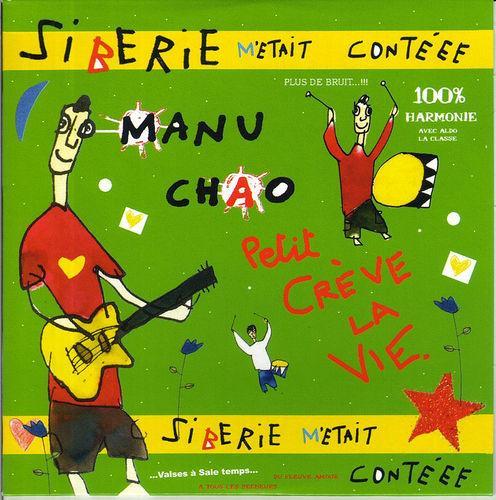
 View Artist