Song Meaning
Manu Chao's "El Kitapena" is an emotional pressure cooker distilled into a raw, repetitive lament. The song's core revolves around the paradox of living without a specific 'you,' a void portrayed not as mere absence, but as a slow, agonizing death. This isn't just heartbreak; it's the unraveling of existence itself. The opening lines, "Vivir sin ti es vivir muriendo / Vivir asi no lo recomiendo," immediately set the tone: life without this person is a living death, a fate the singer wouldn't wish on anyone. The insistence, "Y así que así yo sigo insistiendo," hints at a desperate hope, or perhaps a stubborn refusal to accept the reality of the situation. He's trapped in a loop, seemingly unable to break free from this agonizing dependency.
The act of singing itself becomes intertwined with pain and self-infliction. "Cantar pa' ti es clavarme espina'" – singing for you is like driving thorns into myself – powerfully illustrates this masochistic dynamic. The song suggests that his artistic expression, his very voice, is now inextricably linked to the source of his suffering. This isn't a celebration of love; it's an admission of addiction. He acknowledges the destructive nature of this obsession, labeling it "mi droga ruina" – my ruinous drug. The repeated line, "Cantar pa' ti es mi kitapena," which translates roughly to "singing for you is my painkiller/curepain," is the crux of the song’s meaning. The word 'Kitapena' is a portmanteau, a combination of 'quita' (remove) and 'pena' (sorrow), suggesting a twisted remedy where the very act of singing about the pain, for the person causing it, becomes both the source and the potential solution to the suffering.
Ultimately, "El Kitapena" offers no resolution, no catharsis. It simply circles around the singer's anguish, trapped between the desire to connect and the recognition that this connection is destroying him. The repetitive structure of the lyrics mirrors the cyclical nature of addiction and grief, where the same thoughts and feelings resurface endlessly. The beauty of the song lies not in its complexity, but in its brutal honesty and raw vulnerability. It's a stark portrayal of how love, when twisted and unrequited, can become a form of self-torture, and how the creative process can be both a symptom and a desperate attempt to alleviate that pain.
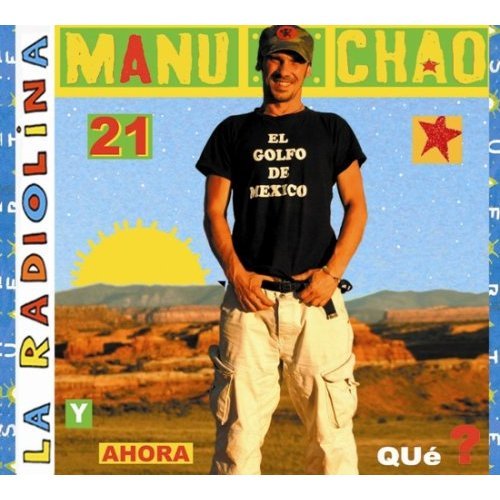
 View Artist