Song Meaning
Manu Chao's "El Hoyo" pulsates with a defiant, almost primal energy. The repetitive chant of "Yo vengo del hoyo" isn't just a lyric; it's a declaration of origin, a proud assertion of belonging to 'el hoyo'—the hole, the pit, the underbelly. This isn't some romanticized notion of the streets; it's a raw, unfiltered embrace of a specific, gritty reality. The references to Tepito, a notorious market in Mexico City known for its informal economy and vibrant street culture, and "Jamaica sonora," possibly nodding to sound systems or the broader Caribbean diaspora, ground the song in a concrete, lived experience. It’s about coming from a place of struggle, a place often overlooked or dismissed by the mainstream, and claiming that space as one’s own. The repetition in the lyrics emphasizes the cyclical nature of this identity, a constant return to roots. It suggests that 'el hoyo' isn't just a physical location but a foundational aspect of the speaker's being.
The genius of Chao's approach lies in his ability to transform what might be perceived as negative—the 'hole'—into a source of power and identity. The phrase "hirviente caldera" (boiling cauldron) paints a picture of a place teeming with life, energy, and perhaps even a sense of simmering rebellion. It acknowledges the hardship, but refuses to be defined solely by it. The reference to "Mi padre llego" (my father arrived) hints at generational ties to this place, suggesting a lineage rooted in the struggles and triumphs of 'el hoyo.' The repeated phrase acts as a mantra, solidifying the connection and transforming it into a badge of honor.
"El Hoyo," therefore, transcends simple geography. It's a state of mind, a cultural touchstone, and a testament to the resilience of those who find strength and community in the margins. Manu Chao doesn't just sing about 'el hoyo;' he embodies it, offering a powerful antidote to the homogenizing forces of globalization and a celebration of the unique spirit found in the heart of the urban abyss. The song meaning resides in the unwavering pride and defiant joy found within the perceived darkness.
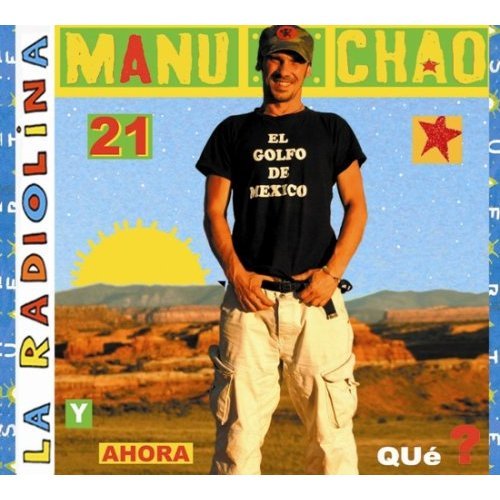
 View Artist