Song Meaning
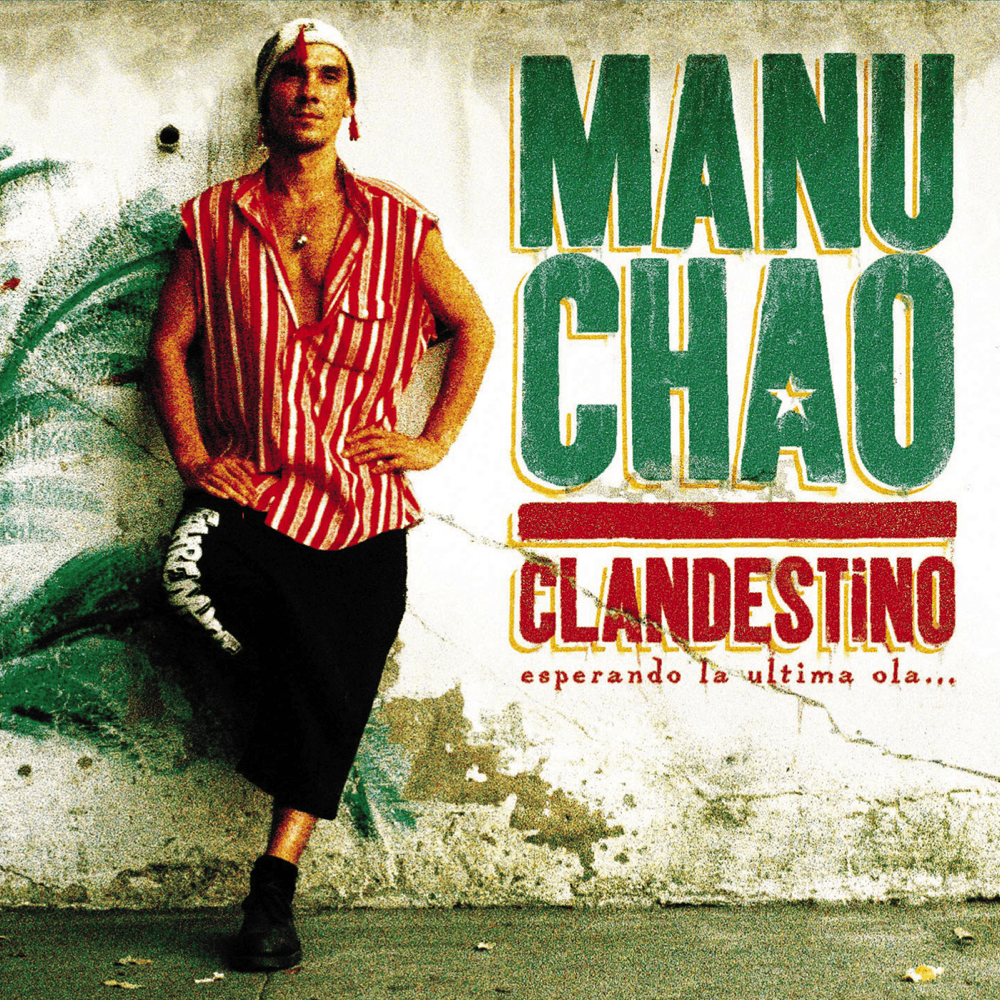
{"song_id": 13813478, "meaning": "Manu Chao's \"Dia luna... Dia pena\" isn't a song you simply listen to; it's a mood you inhabit. The cyclical simplicity of the lyrics – \"Hoy día luna, día pena / Hoy me levanto sin razón\" (Today moon day, day of sorrow / Today I wake up without reason) – paints a portrait of existential inertia. It's the feeling of waking up already weary, the weight of the world pressing down before your feet even hit the floor. The repetition isn't a flaw; it's the point. It mirrors the monotonous grind of depression, the feeling of being trapped in a loop of lethargy. The song meaning resides not in complex metaphors, but in the raw, unfiltered acknowledgement of a feeling many try to ignore.
The juxtaposition of \"día luna\" (moon day) with \"día pena\" (day of sorrow) hints at a deeper psychological landscape. The moon, often associated with cycles, emotions, and the subconscious, suggests that this sorrow isn't a fleeting event, but a recurring phase. The lack of a clear 'cause' for this sorrow is also telling. It's not a specific event triggering the sadness, but rather a pervasive sense of meaninglessness. The line \"Hoy me levanto y no llego / A ninguna destinación\" (Today I wake up and I don't arrive / At any destination) encapsulates this feeling of aimlessness. The destination isn't necessarily a physical place, but a state of purpose or fulfillment.
And yet, amidst the melancholy, there's a defiant, almost celebratory, chant: \"Arriba la luna, Oh-eh-ah\" (Up with the moon, Oh-eh-ah). This isn't necessarily a contradiction, but a nuanced understanding of sadness. It's an acknowledgment of the pain, but also a refusal to be completely consumed by it. It's about finding a strange kind of solidarity in shared human experience. The upward thrust implied in \"Arriba la luna\" becomes a small act of resistance against the crushing weight of \"día pena\". It’s not happiness, but it's a refusal to surrender. The nonsensical spoken outro, seemingly unrelated, could be interpreted as a further descent into the absurd, or perhaps, a playful rebellion against the seriousness of it all."}
 View Artist