Song Meaning
The lyrics paint a picture of a strained, perhaps codependent, relationship where emotional pain is a shared, almost transactional commodity. The narrator observes someone else's "unused pain" through "railings," suggesting a physical and emotional distance, yet an intense, voyeuristic focus. There's a sense of morbid fascination with suffering, both in the other person and in the narrator's own "wicked mind."
The central tension lies in the push and pull between permanence and impermanence, connection and detachment. Phrases like "here we are, we're here forever" clash with "we're gone tomorrow," highlighting a deep uncertainty about the relationship's future and the narrator's own commitment. This instability is mirrored in the narrator's declaration of having "unused pain" and the unsettling image of shooting someone down "with my teeth and my brain."
The most striking craft element is the juxtaposition of the sacred and the profane, particularly in the lines "My death, it's holy and awesome / It's as common as muck on a spade." This contrast elevates personal suffering to a grand, almost spiritual level while simultaneously grounding it in the mundane, everyday reality of existence. The repetition of "I'm not afraid now" offers a chilling sense of acceptance, or perhaps resignation, to this complex emotional landscape.
Ultimately, these lyrics resonate because they capture a raw, uncomfortable honesty about the darker aspects of human connection. The narrator's willingness to confront and even weaponize pain, coupled with a paradoxical acceptance of mortality, creates a compelling, albeit unsettling, portrait of emotional entanglement and self-preservation.
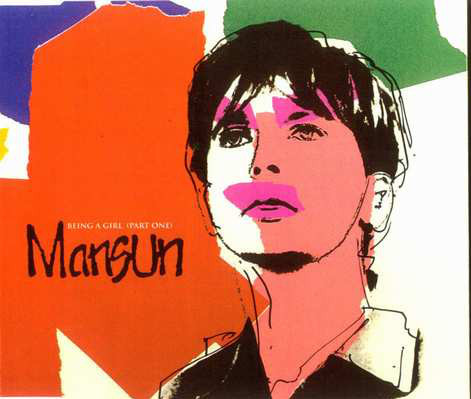
 View Artist