Song Meaning
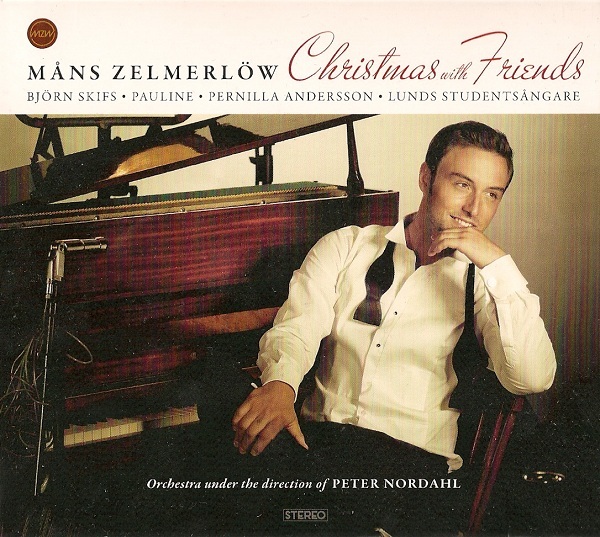
Måns Zelmerlöw’s "Jag drömmer om en jul hemma" isn't just another addition to the holiday music industrial complex; it's a study in longing, filtered through the specific lens of Scandinavian winter nostalgia. The song, which seamlessly blends Swedish and English lyrics, taps into a deep-seated yearning for the idealized Christmas of memory, a potent psychological cocktail of comfort and melancholic reflection. The opening Swedish verses paint a vivid picture: a "winter street" bridging silent forests and red barns, a landscape blanketed in snow. This imagery isn't merely decorative; it's foundational, establishing a sense of place and belonging that the rest of the song orbits. The "jul hemma" (Christmas at home) is not just a location, but a state of mind, a return to innocence and simpler times. The phrase is repeated to make it clear how important it is to him.
The shift to English, borrowing heavily from the classic "White Christmas," amplifies the song's emotional core. The familiar imagery of glistening treetops and the sound of sleighbells acts as a cultural touchstone, instantly recognizable and universally appealing. But within this familiarity lies a subtle tension. The act of "dreaming of a white Christmas" with every card written suggests a performative aspect to the holiday season, a conscious effort to conjure the magic and joy that may or may not be genuinely felt. It hints at the pressure to conform to an idealized image of Christmas, even as the reality might fall short. The lyrics create a contrast between the singer's idyllic dreams and what actually exists.
Ultimately, "Jag drömmer om en jul hemma" succeeds because it doesn't shy away from the inherent complexities of holiday sentimentality. It acknowledges the ache of distance, the weight of expectation, and the bittersweet nature of nostalgia. The song presents a nuanced perspective, allowing listeners to project their own memories and yearnings onto its canvas. It becomes a shared space for both celebration and quiet contemplation, a reminder that the true spirit of Christmas often resides not in the perfect image, but in the imperfections and the memories we hold dear. Zelmerlöw seems to suggest that the dream of a perfect Christmas is as powerful as the real thing.
 View Artist