Song Meaning
The lyrics paint a stark picture of separation, anchored by the image of a stopped clock at a small train station, marking the precise moment of departure. The narrator recalls a silent farewell, a lover lost in the fading light, storm, and smoke, transforming a Saturday night into a flower thrown into a fire. This central metaphor powerfully conveys the destruction of a moment that should have been joyful or peaceful.
The dominant tension lies in the narrator's lingering, futile wait for a return that will never come. They stand at the threshold of their old home, a place of shared past, watching trains pass and hearing their whistles, but the specific, longed-for presence – the swallows, a metaphor for the lost lover or the return of happiness – never reappears. This contrast between the ongoing movement of trains and the stillness of the narrator's hope highlights the permanence of the loss.
The recurring refrain, "Χάθηκες μέσα στ' απόβραδο / Μέσα στη μπόρα, τον καπνό και τη νυχτιά / Κι έγινε το Σαββατόβραδο / Ένα λουλούδι πεταμένο στη φωτιά," acts as an emotional anchor, reinforcing the destructive finality of the separation. The imagery of being lost in the elements and the night, coupled with the devastating image of a flower consumed by flames, underscores the complete annihilation of what was once cherished.
This lyrical construction is effective because it grounds profound grief in concrete, evocative imagery. The stopped clock, the passing trains, and the burning flower are not abstract concepts but tangible elements that make the emotional weight of the narrator's experience palpable. The quiet desperation of waiting for returning swallows, which never come, resonates deeply, capturing the essence of enduring loss and the haunting stillness that follows a devastating departure.
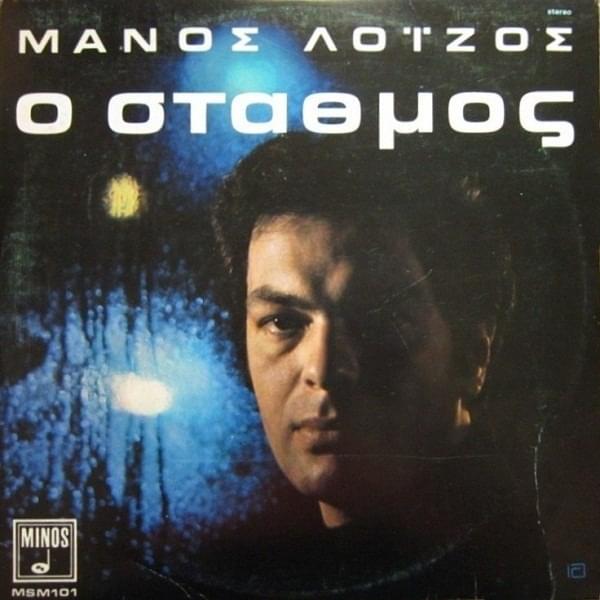
 View Artist