Song Meaning
The lyrics paint a vivid picture of grief and longing, centered around a figure named Julio Romero who has departed permanently. The narrator addresses a "piconera" (a woman from Córdoba, likely the "chiquita piconera" mentioned later) and a "puentecito" (a small bridge, specifically the Puente de San Rafael) as if they hold the answers to Julio's absence. The "piconera" is described with "pintas negra" (black markings) on her hat and a "carita de pena" (face of sorrow), her "ojitos de duelo" (eyes of mourning) reflecting a deep sadness. This imagery immediately establishes a somber, questioning tone.
The central tension lies in the narrator's desperate search for understanding regarding Julio Romero's departure. The repeated questions, "Dime por que..." (Tell me why...) and "Donde está..." (Where is...), directed at both the "piconera" and the bridge, highlight a profound sense of loss and bewilderment. The bridge, a physical landmark, becomes a silent witness and a potential keeper of secrets about the path Julio took "para no volver" (to never return). This personification of the inanimate bridge underscores the narrator's feeling of being left without answers.
The lyrics employ a striking contrast between the external world and the internal grief. The narrator urges the "cordobesa" to "Quítate ese traje negro" (Take off that black dress) and let the sun "mate tu tristeza" (kill your sadness), suggesting a desire for healing and a return to life. Yet, this plea is immediately followed by the tender, almost surreal assertion that "vive Julio Romero" (Julio Romero lives) or "está durmiendo" (is sleeping), and that crying might "despiertas" (wake him) as he "está velando su sueño" (watches over his dream). This creates a complex emotional landscape where the deceased is simultaneously absent and present, asleep and watching, a testament to the enduring impact of his memory.
This lyrical construction is effective because it grounds abstract grief in concrete imagery and direct address. The specific details – the black markings, the sorrowful face, the bridge, the black dress – make the emotional weight palpable. The narrator's insistence on questioning the inanimate and the sleeping, rather than accepting the finality of absence, captures the disorienting nature of profound loss. It’s this blend of stark sorrow and gentle, almost dreamlike reassurance that makes the lament so poignant and resonant.
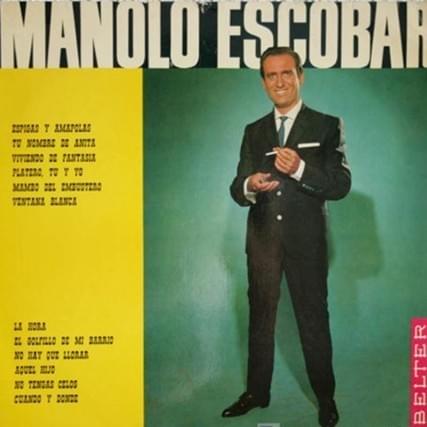
 View Artist