Song Meaning
This is a furious, almost primal outburst, directed at someone perceived as a disgrace to a sport. The immediate tone is one of utter contempt and disbelief, with the narrator shouting down an opponent who apparently isn't even engaging in a proper fight. The core of the anger seems to stem from a perceived violation of honor and the rules of competition.
The central tension lies in the narrator's extreme, almost fanatical belief in a singular, brutal form of validation: "nur ein Kampf bist zum Tod zeigt wer der wahre Champion ist." This suggests a worldview where only the ultimate, life-or-death struggle can definitively prove superiority, dismissing any other form of competition or achievement as illegitimate. The opponent's adherence to "komischen Provinzregeln" is seen not just as weak, but as a profound "Schande" (shame).
The most striking aspect is the sheer intensity of the language and the stark, unforgiving dichotomy presented. The narrator doesn't just disagree; they declare the opponent a "Schande für den Sport" and dismiss their rules as "komisch." This isn't about strategy or skill; it's a visceral rejection of anything less than absolute, fatal combat as the sole arbiter of championship status. The phrase "kämpf ich dann mit di-" is cut off, immediately countered by a furious "DU KÄMPFST MIT NIEMANDEM!", highlighting the perceived cowardice or lack of genuine engagement from the opponent.
What makes these lyrics hit so hard is their raw, unfiltered aggression and the extreme, almost absurdly high stakes the narrator demands. It taps into a primal desire for clear, undeniable victory, but pushes it to a violent, uncompromising extreme. The language is direct and accusatory, leaving no room for nuance and creating a powerful sense of righteous, albeit terrifying, indignation.
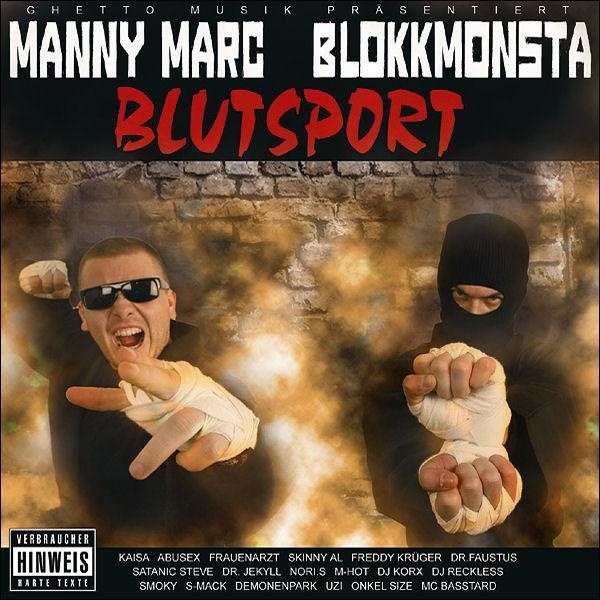
 View Artist