Song Meaning
The lyrics immediately plunge into a moment of intense self-reflection, as the speaker admits to having "wept for my limits." This vulnerability quickly pivots to a confrontation, suggesting an external force, a "You," pushed past a crucial boundary. There's a palpable tension between internal struggle and external pressure.
The central conflict crystallizes in a pair of rhetorical questions, challenging an implied expectation: "What kind of woman would you rather I be? Docile and waitin' to breed?" This direct address rejects a passive, prescribed role, asserting a fierce independence against a perceived attempt to define her.
The craft here lies in the stark contrast between the initial tears and the defiant preference for a "heart is racing." The repetition of "(The edge, the edge)" emphasizes the significance of the boundary crossed, whether by the speaker or the "You." It underscores a point of no return, a line that once breached, changes everything.
Ultimately, these lines articulate a powerful declaration of self-ownership. The speaker finds strength not in quiet submission, but in a vibrant, even anxious, aliveness. The concluding thought, "Wrapped up and know I'm not afraid," suggests a hard-won comfort and certainty in her chosen, unyielding identity.
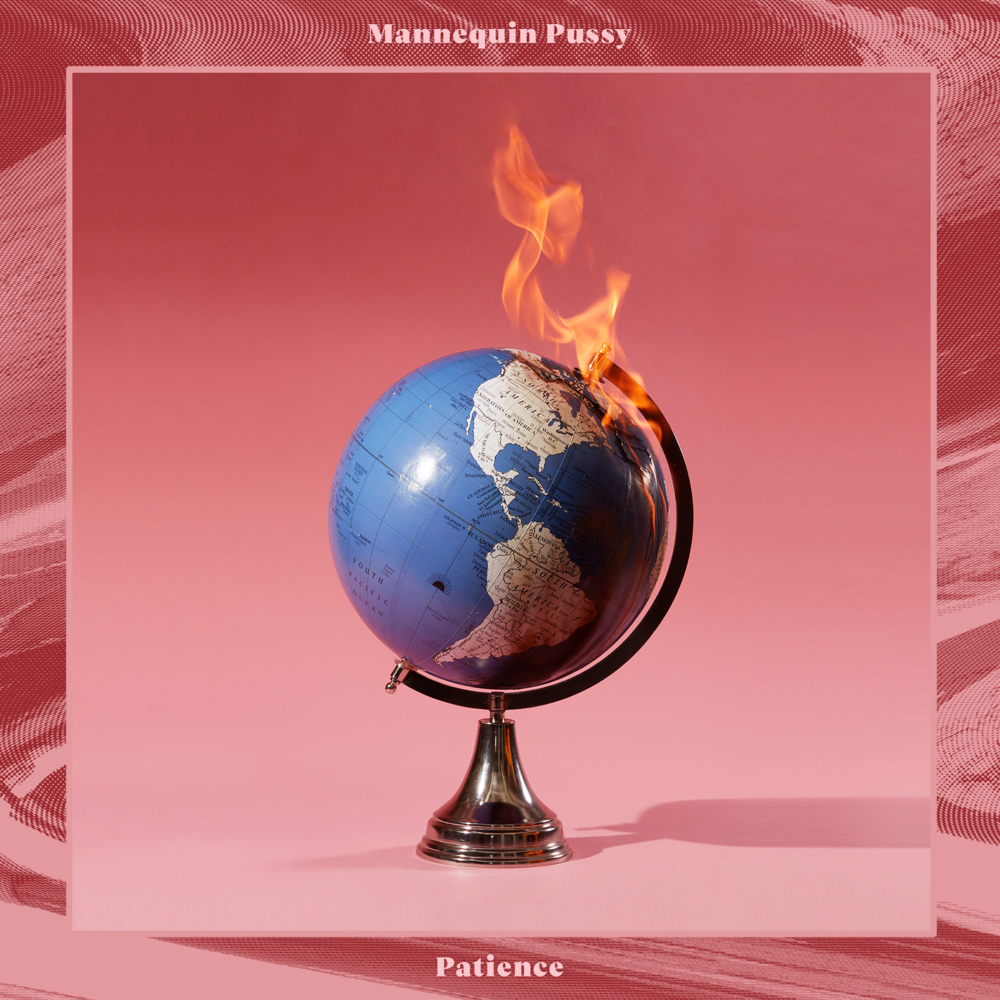
 View Artist