Song Meaning
The lyrics paint a picture of disillusionment and a desperate desire to escape the present. The opening lines immediately set a tone of distrust, suggesting that spoken words are meaningless and true understanding lies in silence. This is amplified by the confession that gaining approval requires compromising one's integrity, highlighting a deep internal conflict between authenticity and external validation. The narrator feels trapped, unable to find solace or clarity in the world around them.
The central tension emerges from this feeling of being overwhelmed and broken. The imagery of "houses as ruins" and "garden as weeds" powerfully conveys a sense of decay and neglect, both externally and perhaps internally. The narrator questions the point of effort when oblivion seems like the only viable option, confessing "I repent, I'm sorry" as if acknowledging a failure to live up to some ideal or expectation. This despair fuels a yearning for a simpler, perhaps less painful, past.
The most striking aspect is the cyclical nature of the chorus, where looking up at the sky brings blindness and closing one's eyes leads directly to "yesterday." This suggests that the present is unbearable, offering no hope or vision. The past, though perhaps idealized or simply less painful, becomes the only refuge. The act of shutting out the external world is not a choice for peace, but a forced retreat into memory, implying that the present moment is inherently damaging or empty.
Ultimately, these lyrics resonate because they articulate a profound sense of being lost and the seductive pull of escapism. The raw honesty about self-exploitation and the bleak imagery of decay create a powerful emotional landscape. The repeated return to "yesterday" isn't a celebration of nostalgia, but a stark admission that the present offers nothing but pain, leaving the narrator with no recourse but to retreat into what has already passed.
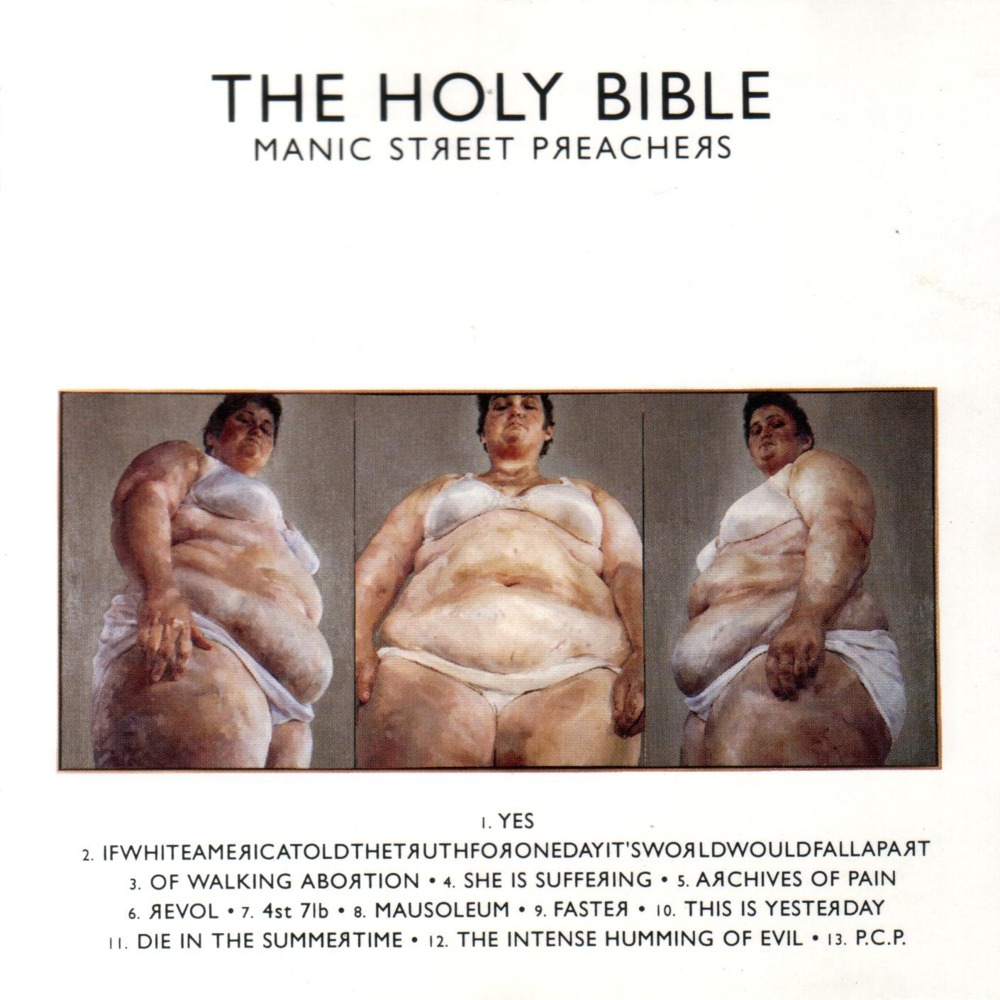
 View Artist