Song Meaning
The lyrics paint a stark picture of self-inflicted suffering and a profound sense of spiritual decay. The opening lines immediately establish a tone of guilt and judgment, with the narrator confessing, "No-one made the holes but me." This internal torment is amplified by violent imagery like "hammer and nails" and the repeated, jarring phrase "Killed god blood soiled unclean again," suggesting a deep-seated corruption that feels both personal and cosmic. The overwhelming sense is one of being trapped by one's own actions and a pervasive, inescapable "misery."
The central tension lies in the narrator's struggle with an overwhelming sense of guilt and a desperate, yet passive, search for external validation or direction. The repeated "Again, everywhere again" underscores a cyclical, inescapable pattern of self-destruction. This is contrasted with the passive "Numbly waiting for voices to tell me," highlighting a paralysis that prevents any genuine escape or growth. The narrator seems to acknowledge their own culpability but lacks the agency to break free from the "rut of my own perception."
The most striking lyrical device is the insistent repetition of "All removables, all transitory." This refrain acts as a bleak mantra, suggesting that everything, including the narrator's pain, guilt, and perhaps even their sense of self, is fleeting and can be discarded. Yet, the context of the verses implies a deep-seated permanence to their suffering, creating a powerful irony. The image of the "bronze moth" dying easily further emphasizes a fragile existence, preserved but ultimately doomed, mirroring the narrator's own state of being "preserved gently" yet weak and vulnerable.
This lyrical construction is effective because it externalizes an internal breakdown through visceral, almost physical, language. The stark, declarative statements and the relentless, almost hypnotic chorus create a feeling of claustrophobia and inevitability. The contrast between the violent self-condemnation and the passive waiting for guidance leaves the listener with a profound sense of unease, capturing the disorienting experience of being consumed by one's own destructive thoughts and actions.
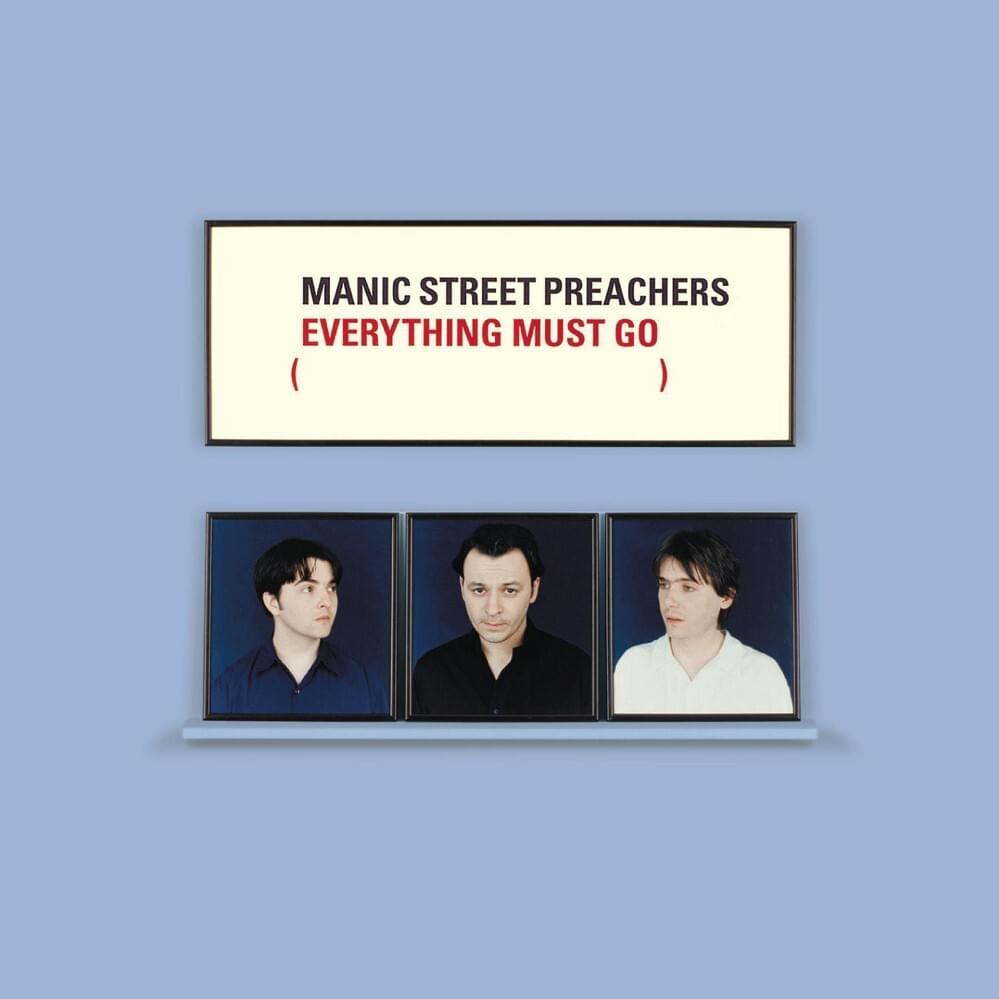
 View Artist