Song Meaning
The narrator grapples with a persistent feeling of decay and an inability to maintain any sense of self-improvement. Physical wounds heal, hair dye fades, and the idealized past, seen in "childhood pictures," offers a stark contrast to a present where the speaker feels they are "ruining lives." This creates a poignant tension between a desire for a pure, untainted past and the perceived destructive nature of their current existence.
The core of the song seems to be a profound disillusionment with the present, leading to a desperate, almost romanticized yearning for an end. The repeated desire to "Die In The Summertime" isn't necessarily about self-harm but about a wish for a dramatic, perhaps beautiful, cessation of a life that feels irrevocably broken. The phrase "crawled so far sideways" powerfully illustrates a sense of progress that has gone completely wrong, a movement away from any intended path.
The lyrics employ striking, visceral imagery to convey this internal rot. The "hole in my life" that "stains the soil" and the heart shrinking to "barely a pulse" paint a picture of profound emptiness and diminishment. The image of "A tiny animal curled into a quarter circle" is particularly effective, suggesting a primal, instinctual withdrawal from the world due to overwhelming pain or fear. This contrasts sharply with the seemingly simple, innocent joy of "throwing sticks into streams" from the past.
Ultimately, the song's emotional weight comes from this stark contrast between a longed-for, serene past and a present defined by perceived failure and decay. The narrator's plea, "If you really care, wash the feet of a beggar," suggests a desire for genuine, humble acts of redemption or connection, even as they express a wish for their own end. It’s a raw articulation of feeling fundamentally flawed and seeking an escape from a life that no longer feels sustainable.
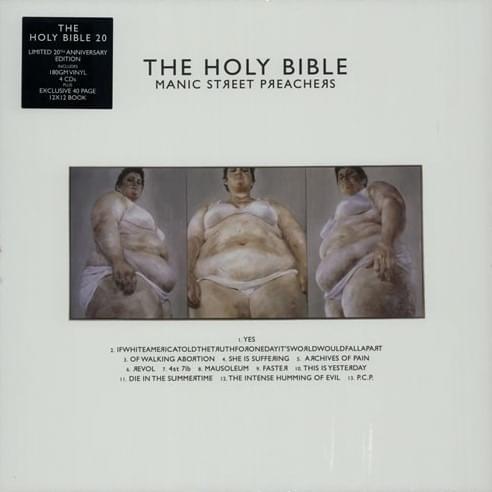
 View Artist