Song Meaning
The lyrics paint a picture of quiet self-possession amidst life's complexities. The opening lines, "Semplice e nuda come mani in su" (Simple and naked like hands up), establish a sense of vulnerability and openness, yet this is immediately countered by the declaration, "Io ho il centro di me" (I have the center of me). This suggests an internal anchor, a core self that remains steady even as life "rampicante" (climbing) unfolds within. The narrator is attentive, "Sto attento a te" (I am attentive to you), but grounded in their own being.
The central tension arises from transforming difficult experiences into something positive. The narrator prays to their mother for "sapienza e il pane" (wisdom and bread), seeking sustenance and understanding. They then commit to making a "miracolo di onestà" (miracle of honesty) from "acqua torbida" (turbid water) so that "Il mio amore avrà da bere" (my love will have something to drink). This is a powerful act of alchemical transformation, turning murkiness into nourishment for love.
This transformative impulse is further illustrated in the lines about "eterna malinconia" (eternal melancholy). The narrator intends to turn this deep sadness into a "bella di notte" (a night beauty) that "Si risveglia principessa" (wakes up a princess). This striking image suggests that even profound, lingering sorrow can be reshaped into something beautiful and awakened, a testament to the power of internal perspective and will.
The repeated assertion, "Io ho il centro di te / Io ho il centro di me" (I have the center of you / I have the center of me), is key to the song's emotional resonance. It implies a deep connection and understanding of another person, yet it's always framed by the narrator's own internal stability. This isn't about losing oneself, but about having a centered self from which to engage with and even transform the world and others, finding strength not in external validation but in an unshakeable inner core.
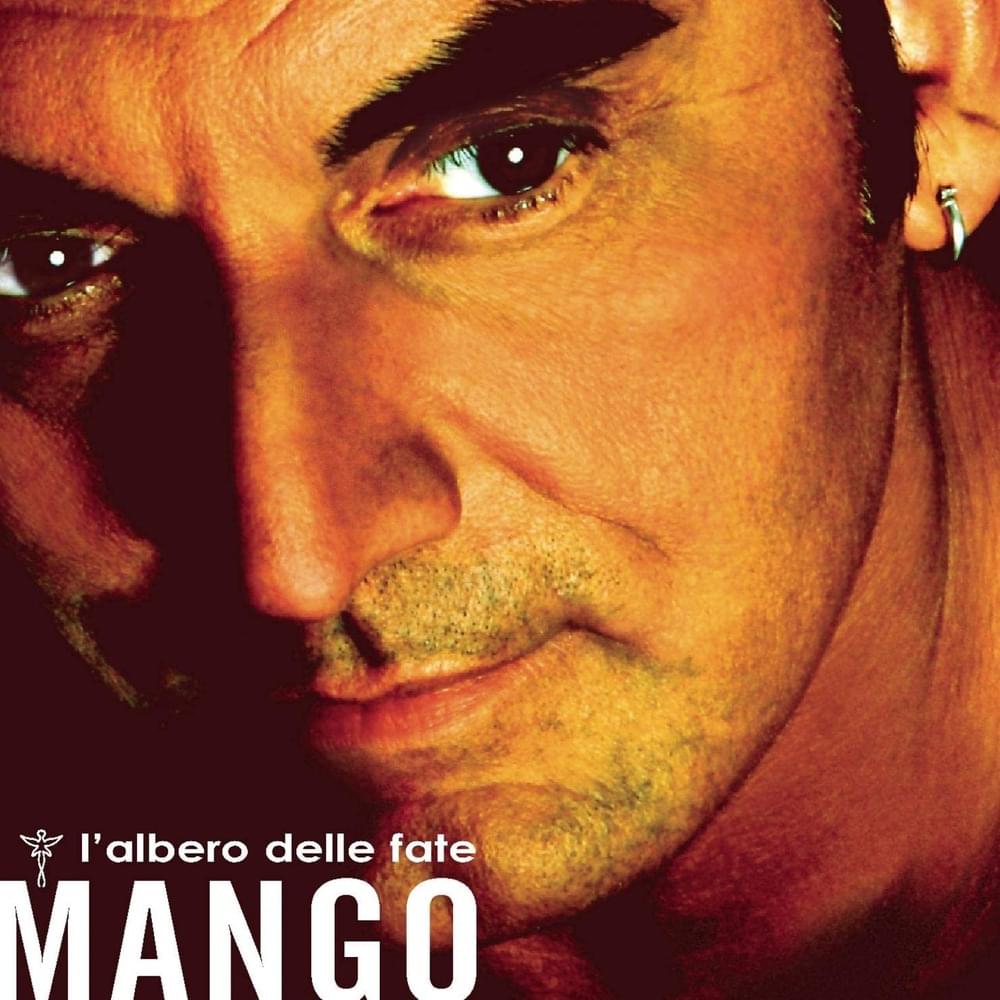
 View Artist