Song Meaning
The narrator clutches a hair tie, the only tangible remnant of a past relationship, a stark contrast to the overwhelming falsehood left behind. This small, fragrant object, described as 'sun-like,' initially seems like a sweet memory, but it's overshadowed by the weight of a 'huge lie.' The scene is set with a poignant mix of lingering affection and bitter betrayal.
The core tension revolves around the inadequacy of simply being good. The repeated refrain, 'Being good isn't enough,' hammers home a painful realization: virtue or kindness alone doesn't guarantee love or affection. This isn't just a personal failing; it's a universal observation about the elusive nature of romantic connection and acceptance, suggesting that external factors or perhaps unspoken dynamics play a crucial role.
The bridge introduces a desperate plea, emphasizing the insufficiency of goodness with a stark 'It's not enough.' The repetition of 'It's not enough' builds a sense of resignation and urgency. The line 'No one but you, no one can forgive' suggests a deep personal wound, implying that the narrator's perceived failure to be 'good enough' has led to a specific, unforgivable transgression in the eyes of the person they address, or perhaps in their own self-judgment.
This lyrical construction is effective because it grounds abstract emotional pain in concrete imagery and stark, repeated declarations. The contrast between the 'sun-like' hair tie and the 'huge lie' creates immediate emotional resonance. The relentless repetition of 'Being good isn't enough' transforms a personal disappointment into a universally felt, almost existential lament about the conditional nature of love and forgiveness.
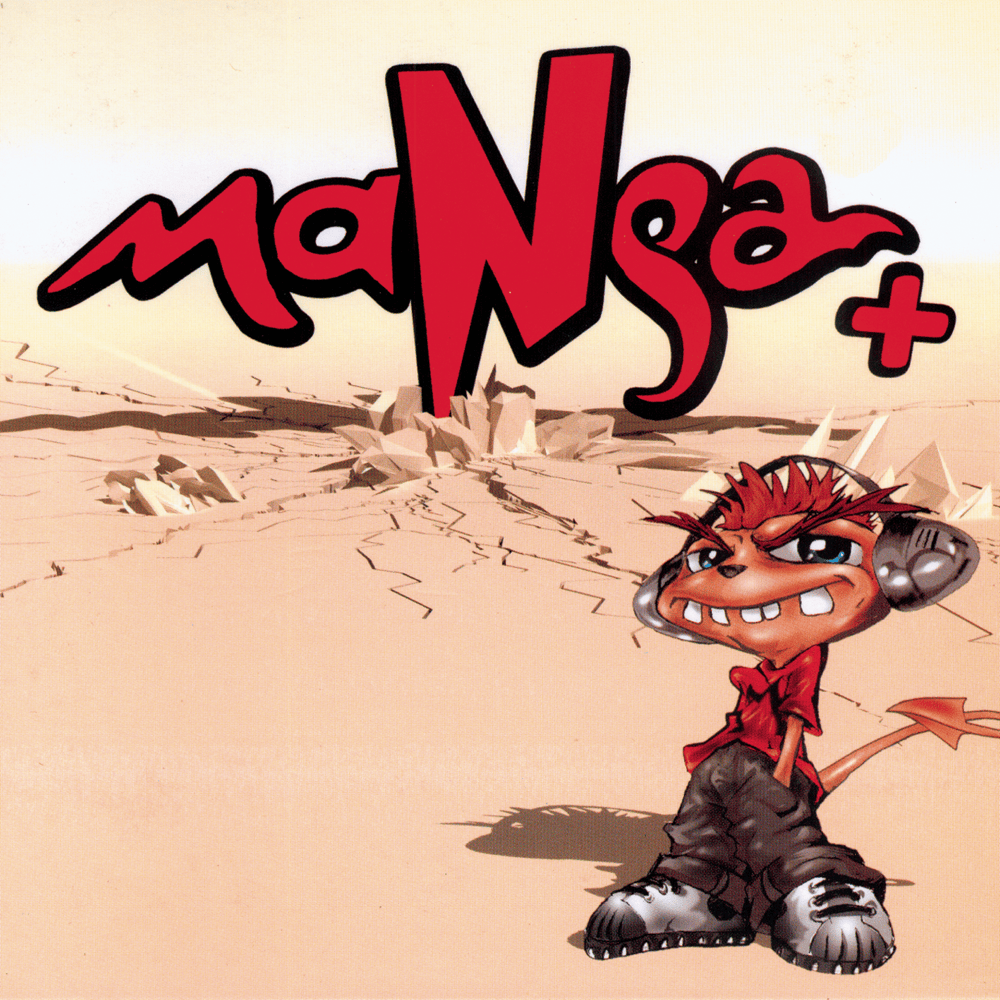
 View Artist