Song Meaning
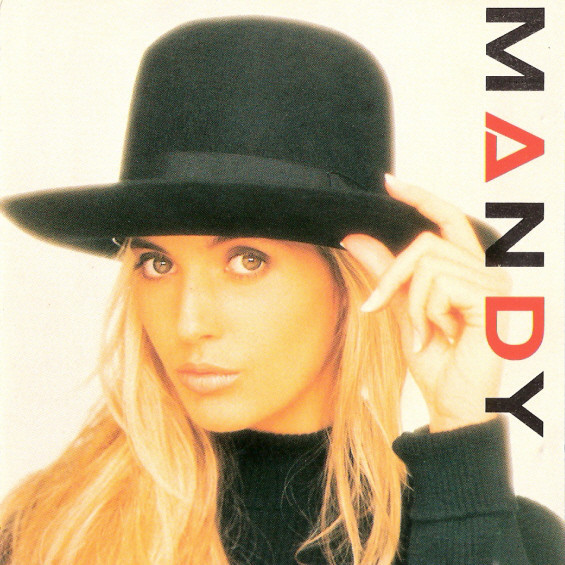
Mandy Smith's "Say It's Love (Love House)" operates within the push-and-pull dynamic of desire and validation. The insistent repetition of "Say it's love taking over me" isn't just a plea; it's a demand for reciprocation, a craving for verbal affirmation to match the unspoken intensity of the connection. The lyrics reveal a vulnerability masked by a veneer of confidence. Smith isn't merely hoping for love; she's actively attempting to manufacture it, to "make you see" her as the indispensable "one you need." This hints at a deeper insecurity, a need to control the narrative of the relationship and preempt potential rejection. The "love house" refrain functions as both a literal and metaphorical space – a constructed environment where love can ostensibly flourish, but also a potentially fragile edifice built on manufactured emotions. The almost desperate insistence on external validation, on having the other person "say it's love," suggests a fear that the feeling isn't genuinely mutual.
The lyrical simplicity, combined with the driving beat (implied by the parenthetical commands to "get with the beat"), creates a fascinating tension. The surface-level accessibility belies the undercurrent of emotional manipulation. The song’s hook, "I'm gonna make you see," isn't romantic in the traditional sense; it's assertive, almost coercive. It implies a power struggle, a determination to mold the other person's perception of reality to fit her own desires. This isn't a passive longing; it's an active campaign, a psychological maneuver to secure affection. The scattered interjections – "That's what I want," "Make my day," and even the dismissive "Sucker" – expose the raw, unfiltered emotions underlying the polished pop veneer.
The lyrics analysis of "Say It's Love (Love House)" showcases a fascinating study of control and vulnerability. Mandy Smith presents a character who is both empowered and deeply insecure, striving to create a reality where her desires are not only met but vocally acknowledged. This struggle for validation speaks to a universal human need, but also highlights the potential for manipulation and self-deception within the complex landscape of love and relationships. The song’s meaning is not just about wanting love, but about the lengths we go to in order to secure it, even if it means constructing a "love house" built on uncertain foundations.
 View Artist