Song Meaning
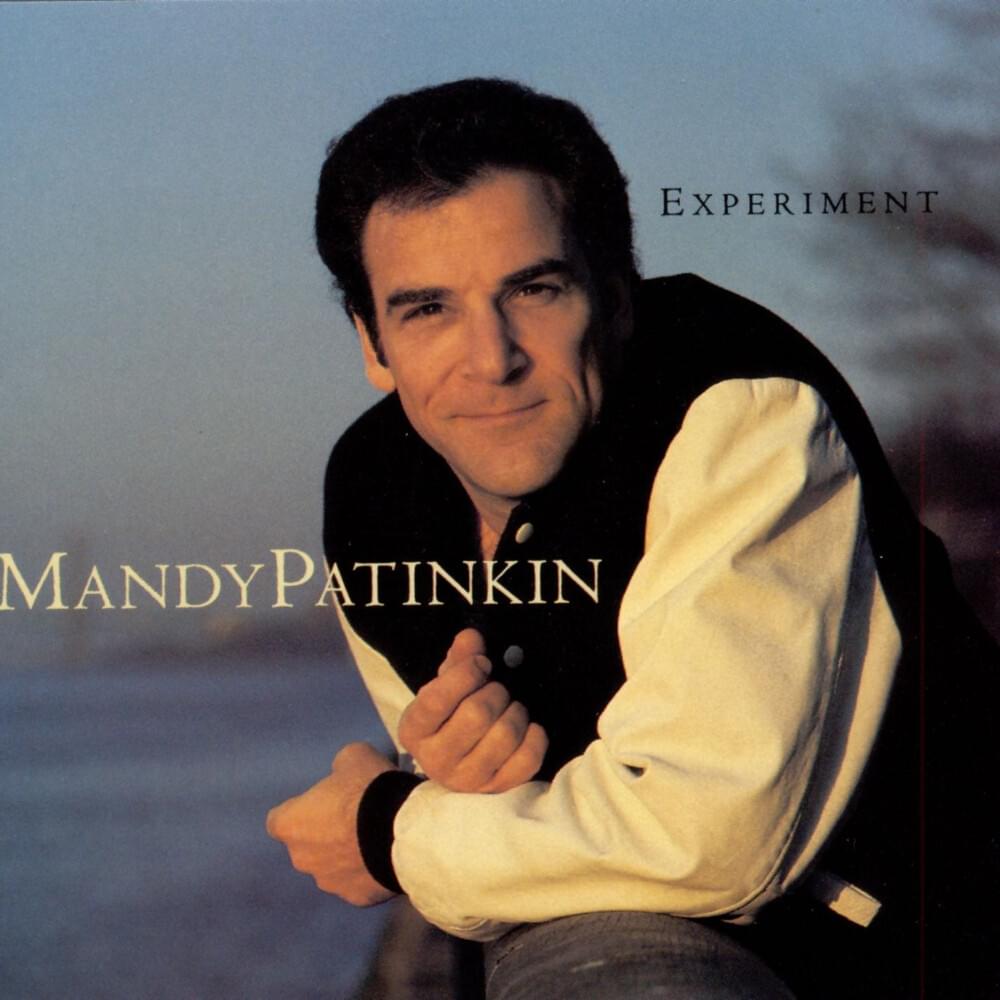
Mandy Patinkin, the celebrated stage and screen performer, brings a disarming vulnerability to "So Many People," a song that interrogates the listener's (and perhaps the singer's) preconceived notions of love and happiness. The initial verses paint a picture of shallow ambition: a desire for a partner defined by wealth and status. There's a palpable irony as the singer recounts falling for someone who possesses none of these material trappings. It's a classic setup, but Patinkin delivers it with a sincerity that transcends cliché. The core tension lies in the contrast between societal expectations and the messy reality of genuine connection. The lyrics cleverly highlight the absurdity of measuring affection against a yardstick of financial security. "I should be good and sore / What am I happy for?" captures the bewilderment of realizing that happiness can be found in unexpected places, defying the logic of consumerist culture.
The chorus elevates the song to a broader commentary on the human condition. "So many people in the world / Don't know what they've missed" suggests a quiet empathy for those who remain trapped in superficial pursuits. It’s not just a love song; it’s an invitation to reconsider what truly matters. The imagined scorn of others—"So many people laugh / At what they don't know"—becomes a source of validation, a testament to the unique and precious bond shared by the lovers. There’s an element of defiance in this rejection of external judgment, a refusal to let societal norms dictate personal fulfillment.
Ultimately, "So Many People" is a celebration of love as a radical act, a rebellion against the prevailing values of a world obsessed with wealth and status. The song's meaning resides not just in the lyrics themselves, but in the emotional honesty that Patinkin brings to the performance. It's a reminder that true joy often lies in the simple, unquantifiable connections we forge with one another, a sentiment that resonates deeply in our increasingly materialistic and isolated society.
 View Artist