Song Meaning
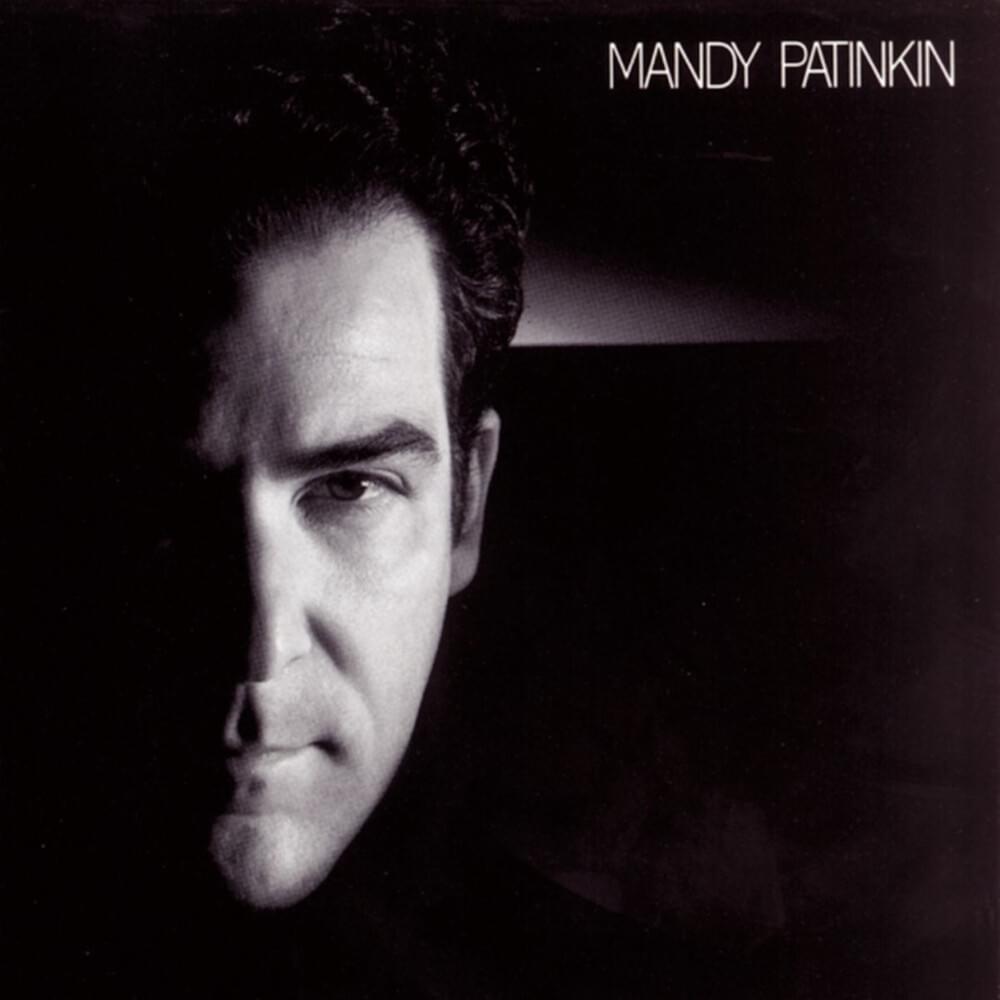
Mandy Patinkin's rendition of "No One Is Alone" isn't just a song; it's a stark, emotionally intelligent confrontation with the universal human condition. Stripped of theatrical artifice, the song’s core message delivers a raw, direct appeal to our shared vulnerabilities. The lyrics navigate the treacherous waters of isolation, reminding us that even in our darkest moments, we are inextricably linked to others. It’s a potent antidote to the illusion of self-sufficiency, suggesting that our actions, however small ("You move just a finger/Say the slightest word"), ripple outwards, impacting lives in ways we may never fully comprehend.
At its heart, "No One Is Alone" dissects the myth of individual autonomy, particularly in the context of moral choices and their consequences. The bridge, a pivotal turning point, acknowledges the inevitability of human error: "People make mistakes/Fathers, mothers…" This isn’t an absolution, but rather an invitation to empathy—a recognition that even those who cause us pain are themselves caught in the web of human fallibility. The song subtly challenges us to consider the perspectives of those we deem adversaries: "While we're seeing our side/Maybe we forgot/They are not alone." This call for nuanced understanding transcends simplistic notions of right and wrong, inviting us to grapple with the complexities of human motivation.
Ultimately, the song's profound impact stems from its unflinching portrayal of interconnectedness. It acknowledges the weight of responsibility that comes with being part of a larger community, while simultaneously offering solace in the knowledge that we are not alone in our struggles. Patinkin's interpretation underscores the song's inherent tension between individual agency ("You decide what's right/You decide what's good") and the inescapable reality of mutual dependence. The repeated refrain, "No one is alone," becomes less a platitude and more a hard-won truth, forged in the crucible of shared experience. It's a message that resonates deeply, particularly in an age defined by fragmentation and alienation.
 View Artist