Song Meaning
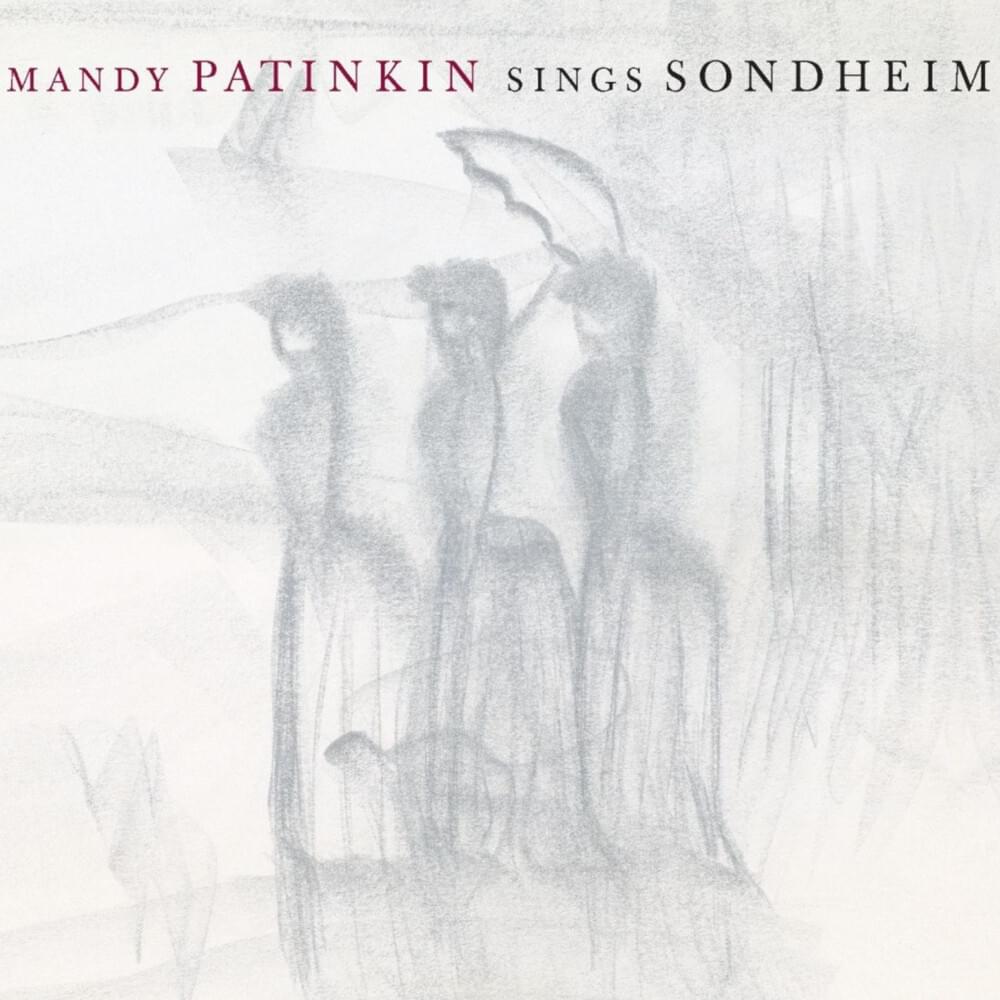
Mandy Patinkin's rendition of "Broadway Baby" isn't just a show tune; it's a masterclass in portraying raw, unadulterated ambition. The song, originating from Stephen Sondheim's *Follies*, encapsulates the yearning of a performer clawing their way through the unforgiving landscape of musical theater. It's an anthem for the hopeful, the persistent, and maybe just a little bit delusional. The lyrics depict a performer named Hattie who is utterly consumed by the dream of making it on Broadway, and the song's meaning revolves around this obsessive need to perform, to be seen, to matter. The desperation is palpable, masked only thinly by the inherent optimism of youth. It's a portrait of the artist as a survivor.
"Broadway Baby" is rife with the classic tension between dreams and reality. Hattie's daily grind – "slaving at the five-and-ten," "eating at a greasy spoon" – starkly contrasts with the imagined glamour of a Ziegfeld Follies. The lyrics subtly suggest a trade-off: sacrificing comfort, stability, and even proper nutrition for the slim chance of stardom. The "tube of greasepaint and a follow spot" become not just tools of the trade, but symbols of Hattie's unwavering commitment, her willingness to endure hardship for a moment in the limelight. The song's brilliance lies in its unsentimental depiction of this Faustian bargain.
But beyond the surface-level story of ambition, "Broadway Baby" taps into something deeper: the human need for validation. Hattie isn't just seeking fame; she's seeking recognition, a sense of belonging, and a purpose. The lyrics hint at a void in her life that only the stage can fill. The "tiny flat" with "just my cat" underscores her isolation, making the dream of a "great big Broadway show" all the more alluring. The song's underlying melancholy stems from this vulnerability, the understanding that Hattie's relentless pursuit may be driven by a deeper, unacknowledged need for connection and self-worth. The enduring appeal of "Broadway Baby," especially when sung with Patinkin's characteristic intensity, is its unflinching look at the psychological underpinnings of artistic ambition, the sacrifices made, and the fragile hopes that fuel the journey.
 View Artist