Song Meaning
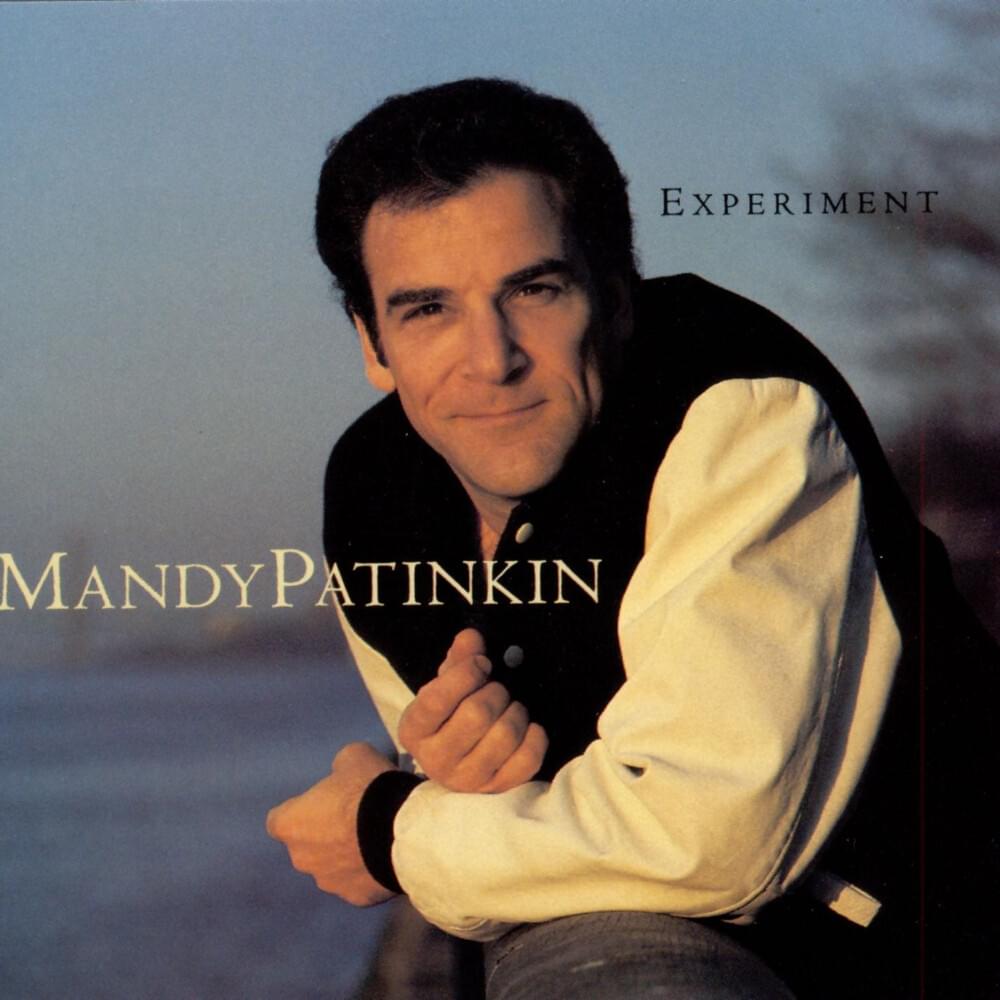
Mandy Patinkin's rendition of "Bring Him Home" isn't just a song; it's a raw, exposed nerve of paternal longing and sacrifice. Stripped of bombast, the lyrics become a direct plea, a desperate negotiation with a higher power. The song’s emotional core resides not just in the words themselves, but in the implied weight of the unspoken. Patinkin, known for his intense dramatic interpretations, uses the simplicity of the language to amplify the profound depth of the sentiment. It speaks to the universal human desire to protect the vulnerable, especially in the face of overwhelming forces. The repeated invocation, "Bring him home," functions as a mantra, a hypnotic attempt to bend fate through sheer will.
The power of "Bring Him Home" lies in its stark portrayal of selfless love. The singer's willingness to trade his own life for the safety of "the son I might have known" transcends simple altruism. It’s a primal urge, a deeply ingrained instinct to nurture and defend. The acknowledgement of mortality ("And I am old and will be gone") adds a layer of urgency and poignancy. Time is running out, and the need to safeguard the younger generation becomes paramount. The lyrics subtly highlight the cyclical nature of life and death, with the singer accepting his own fading existence in exchange for the continuation of youth and hope.
Ultimately, the song’s meaning transcends its immediate narrative context (often interpreted within the framework of *Les Miserables*, from which it originates). It taps into something far more fundamental: the profound human capacity for empathy and self-sacrifice. "Bring Him Home" becomes an anthem for anyone who has ever felt the weight of responsibility for another, a testament to the enduring power of love in the face of despair. Patinkin's interpretation reminds us that true strength often lies not in grand gestures but in quiet, unwavering devotion.
 View Artist