Song Meaning
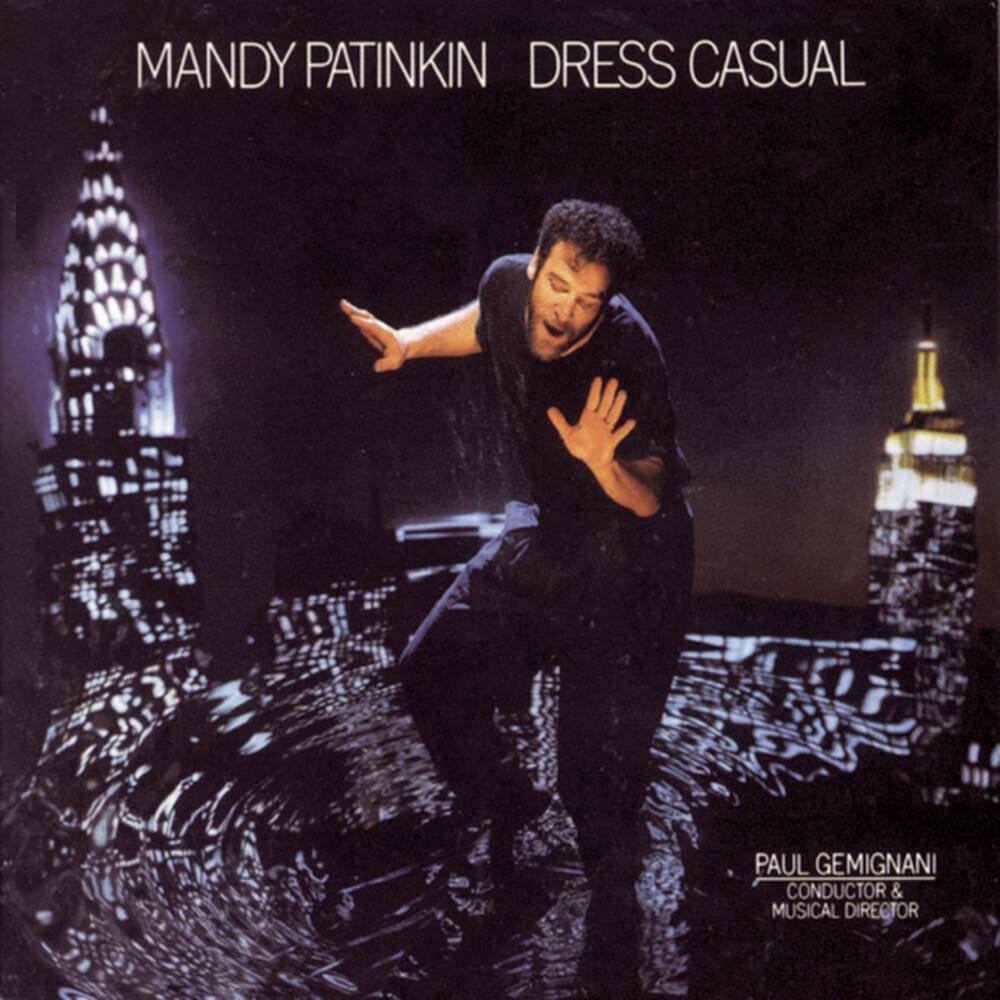
Mandy Patinkin's rendition of "Being Alive," originally from the musical *Company*, transcends simple performance; it's a raw, existential reckoning. The song, at its core, is a profound exploration of intimacy and the inherent vulnerability it demands. The lyrics aren't a saccharine plea for connection, but a gritty acknowledgement that being truly alive means enduring the messy, often painful realities of human relationships. It's about the willingness to trade sterile isolation for the disruptive, demanding, and ultimately life-affirming chaos of love and dependence. The song meaning hinges on the paradox that pain and joy are not mutually exclusive, but rather intertwined threads in the tapestry of a life fully lived.
Patinkin's interpretation doesn't shy away from the darker implications of such interdependence. The lyrics acknowledge the potential for hurt ("Somebody hurt me too deep"), the suffocating nature of need ("Somebody need me too much"), and the torturous aspects of deep understanding ("Somebody know me too well"). Yet, these potential pitfalls are framed not as reasons to retreat, but as the very conditions that make genuine connection possible. The repeated invocation of being made "aware / Of being alive" is not a celebration of simple existence, but a defiant embrace of its complexities. It's a conscious choice to opt into the full spectrum of human experience, even when that experience includes suffering.
The turn in the lyrics, "But alone is alone, not alive," is the linchpin. It's the stark realization that self-preservation through isolation is a form of emotional death. "Being Alive" is a prayer, a confession, and ultimately, a courageous declaration of interdependence. It acknowledges the fear inherent in letting someone truly see you, to "force me to care," but recognizes that this vulnerability is the very essence of what it means to be human. The song's final repetition of "Being alive!" is not just an affirmation, but a hard-won victory over the fear of connection, a testament to the enduring human need to be seen, known, and ultimately, loved, even with all the attendant risks.
 View Artist