Song Meaning
The lyrics paint a picture of someone grappling with external obstacles and internal shortcomings, finding solace and direction solely in another person, referred to as "You." The opening lines establish a recurring theme of things getting in the way, yet the narrator explicitly distances themselves from being the source of these problems, stating, "But it's not me / It's You." This immediately sets up a dynamic where "You" is both the cause of obstruction and, paradoxically, the ultimate answer.
The central tension lies in the narrator's complete abdication of agency and self-reliance. They confess, "hope is not in what I know / It's not in me / It's in You," and later, "I find peace when I'm confused / And I find hope when I'm let down / Not in me, me / In You." This isn't just about seeking comfort; it's a profound declaration that their entire framework for understanding and navigating life—their peace, their hope, their very sense of knowing—is entirely contingent on this other individual.
The most striking aspect of the craft is the relentless repetition of "It's all I know" and the insistent, almost desperate, refrain of "It's in You." This creates a hypnotic, all-consuming focus. The contrast between the narrator's perceived failures or confusions ("something in the way," "confused," "let down") and the singular certainty found in "You" is stark. The repeated assertion "It's not me" functions as a defense mechanism, deflecting personal responsibility while simultaneously elevating "You" to an almost divine status as the sole source of truth and stability.
This lyrical construction is effective because it captures a raw, almost primal dependency. The simplicity of the language and the overwhelming repetition mirror a mind fixated on a single point of reference. The lyrics don't offer a complex narrative but rather an emotional state—a complete surrender to another person as the only anchor in a chaotic existence. The final, extended "It's You" becomes an incantation, solidifying the narrator's singular focus and the overwhelming power attributed to "You."
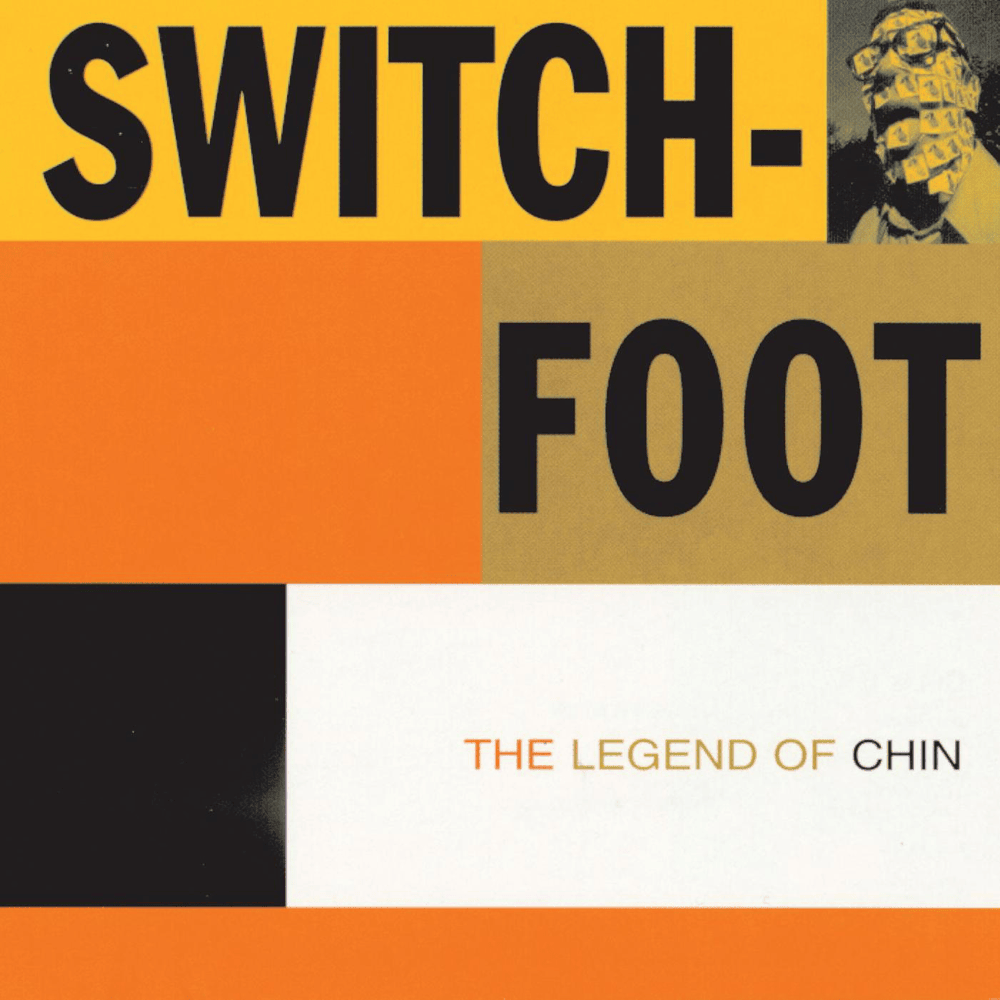
 View Artist