Song Meaning
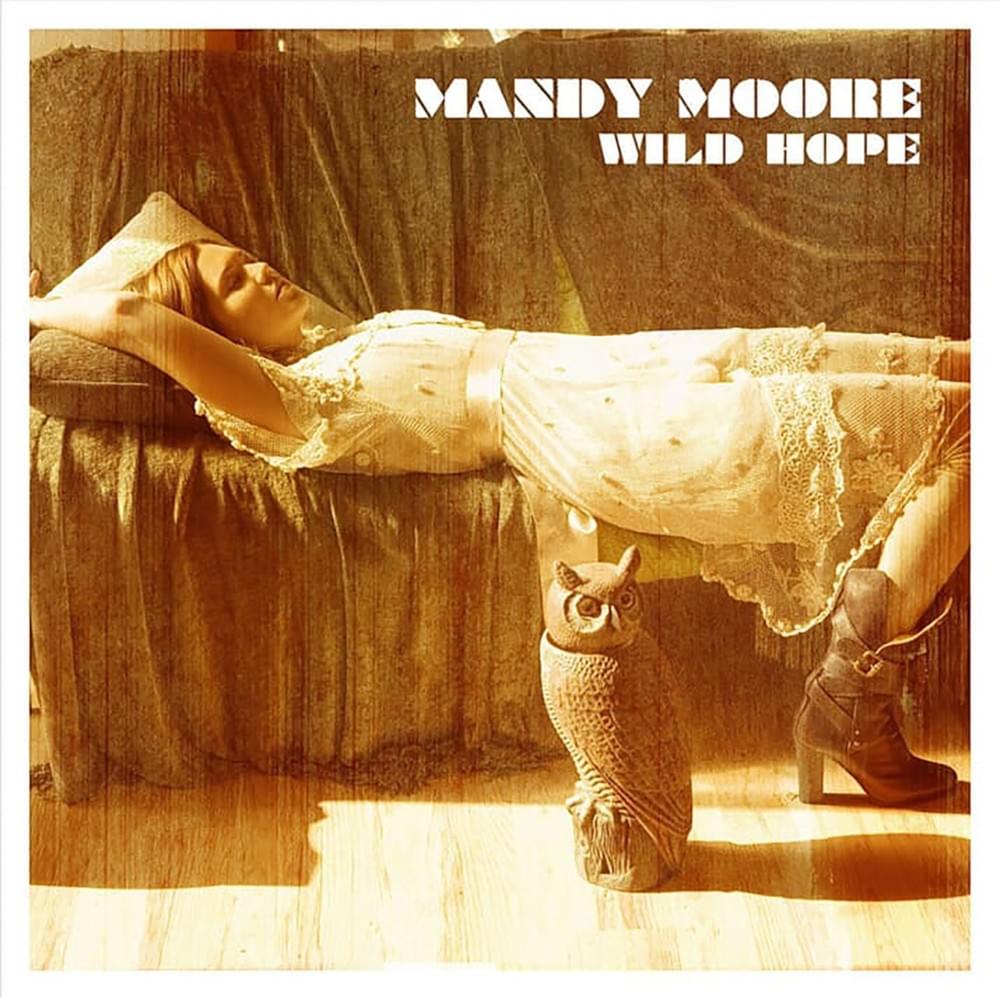
Mandy Moore's "Wild Hope" isn't a Pollyanna anthem of naive optimism; it's a slender thread of possibility clutched tight in the face of overwhelming uncertainty. The opening paints a picture of disorientation: a "crazy world" viewed through the eyes of a "hazy girl" whose vision is blurred, limited to seeing only blue. This isn't contentment; it's a muted emotional landscape, perhaps bordering on depression. The "wild hope" refrain, repeated like a mantra, acts as both a comfort and a challenge to this bleak outlook. The song meaning hinges on this tension between the acknowledgement of a difficult reality and the stubborn refusal to succumb to it completely.
The verses amplify the sense of alienation. The narrator feels lost, trapped within a constructed reality ("a painting of a city on a hotel wall"), passively watching time slip away. This image evokes a sense of detachment and a yearning for something more authentic. The bridge offers a brief flicker of connection ("Beside you, I see myself"), but even this is tempered by the unsettling realization that they "look like everybody else." Individuality seems to be dissolving, swallowed by conformity. This could be interpreted as the protagonist struggling to find herself within a relationship.
The final verse seals the song's ambiguity. Walking alone through crowded streets into "the fading grey" suggests a further descent into isolation. The fleeting image of being "like a decoration for the holiday" highlights a sense of impermanence and disposability. Ultimately, "Wild Hope" doesn't offer easy answers or a guaranteed happy ending. Instead, it presents a portrait of resilience, a quiet act of defiance against the forces of despair. The repetition of "Everything will be alright" becomes a desperate plea, a self-soothing incantation whispered in the dark.
 View Artist