Song Meaning
Mandy Barnett's "So Wrong" isn't just a country lament; it's a stark excavation of regret, a sonic portrait of delayed realization. The core of the song meaning revolves around the protagonist's prolonged state of denial regarding her true feelings. The repetition of "I've been so wrong for so long" acts as both a confession and a self-flagellation, highlighting the duration and depth of her misjudgment. It's the kind of wrongness that festers, a slow-burning realization that dawns only when the object of affection is irrevocably gone. Barnett's delivery, imbued with a palpable sense of loss, amplifies the emotional weight of these simple yet devastating lines. This isn't just a fleeting moment of regret; it's the crushing weight of years misspent.
The lyrics themselves are deceptively simple, a characteristic often found in classic country heartbreak songs. There's no elaborate storytelling or complex metaphors; the power lies in the raw, unfiltered emotion. The lines "I didn't know that I loved you so" and "Now that you're gone, I dream of you and your sweet touch" expose the painful irony of realizing love's true value only in its absence. This taps into a universal human experience – the tendency to take things for granted until they're lost. It speaks to our flawed perception of time and relationships, a psychological blind spot that often leads to profound regret. The song's brilliance lies in its ability to evoke this feeling with such economy of words.
Ultimately, "So Wrong" is a song about the transformative power of loss. The line "But I've seen the light, darling, I'll make it right" offers a glimmer of hope amidst the despair. However, the effectiveness of this transformation remains ambiguous. Is it a genuine commitment to change, or simply a desperate plea fueled by the immediate pain of separation? The ambiguity is what allows the song to resonate. It acknowledges the messy, imperfect nature of human emotions and the often-painful journey towards self-awareness. Mandy Barnett doesn't offer easy answers or tidy resolutions; she simply presents a raw, honest portrayal of a heart grappling with the consequences of its own blindness.
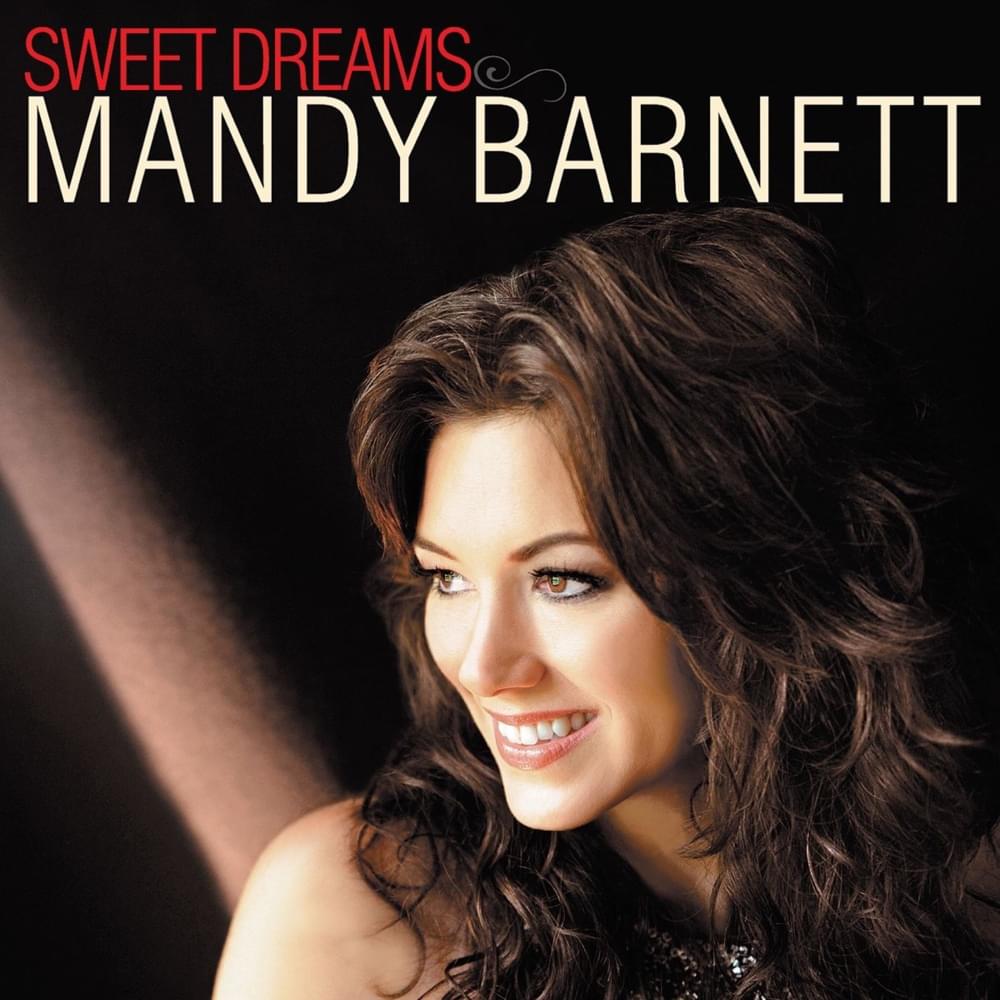
 View Artist