Song Meaning
The lyrics paint a picture of a relationship that has soured dramatically, starting from a place of intense devotion that has curdled into bitter resentment. The opening lines suggest a past where the narrator was deeply invested, with mornings "longed to fall" and a sense of building towards connection. However, this foundation seems to have crumbled, leaving a feeling of exposure and discomfort, like "sinners in the sun."
The central tension lies in the stark contrast between past declarations of love and present-day animosity. The repeated phrase "I said I'd die for you" is immediately undercut by the question "Or was it in my head," casting doubt on the sincerity or reality of those feelings. This internal conflict is amplified by the shift in the second verse where the narrator claims "I took you down on ouzo," implying a shared experience that led to a negative outcome, culminating in the shocking declaration "I'd rather see you dead."
What's particularly striking is the way the lyrics juxtapose vulnerability with aggression. The narrator describes their "depression stood the wind" and being "roughed my steel and shut my mouth," suggesting a resilience forged through hardship. Yet, this strength is immediately followed by a desperate plea "Hold me, scratch my shoulder / Fold me, sue me, watch me going mad," revealing a raw need for connection even amidst the rage. The image of rain "itching on my skin" adds a layer of physical discomfort that mirrors the emotional turmoil.
Ultimately, these lyrics resonate because they capture the devastating aftermath of love gone wrong, where intense emotions flip into their destructive opposites. The craft lies in the direct, almost brutal honesty of the confessions and the stark, unsettling imagery. The narrator’s internal debate about past feelings and the visceral shift to wishing harm on the other person creates a potent, uncomfortable, and unforgettable portrait of emotional wreckage.
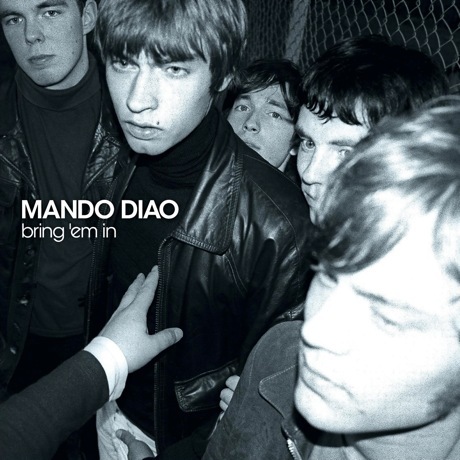
 View Artist