Song Meaning
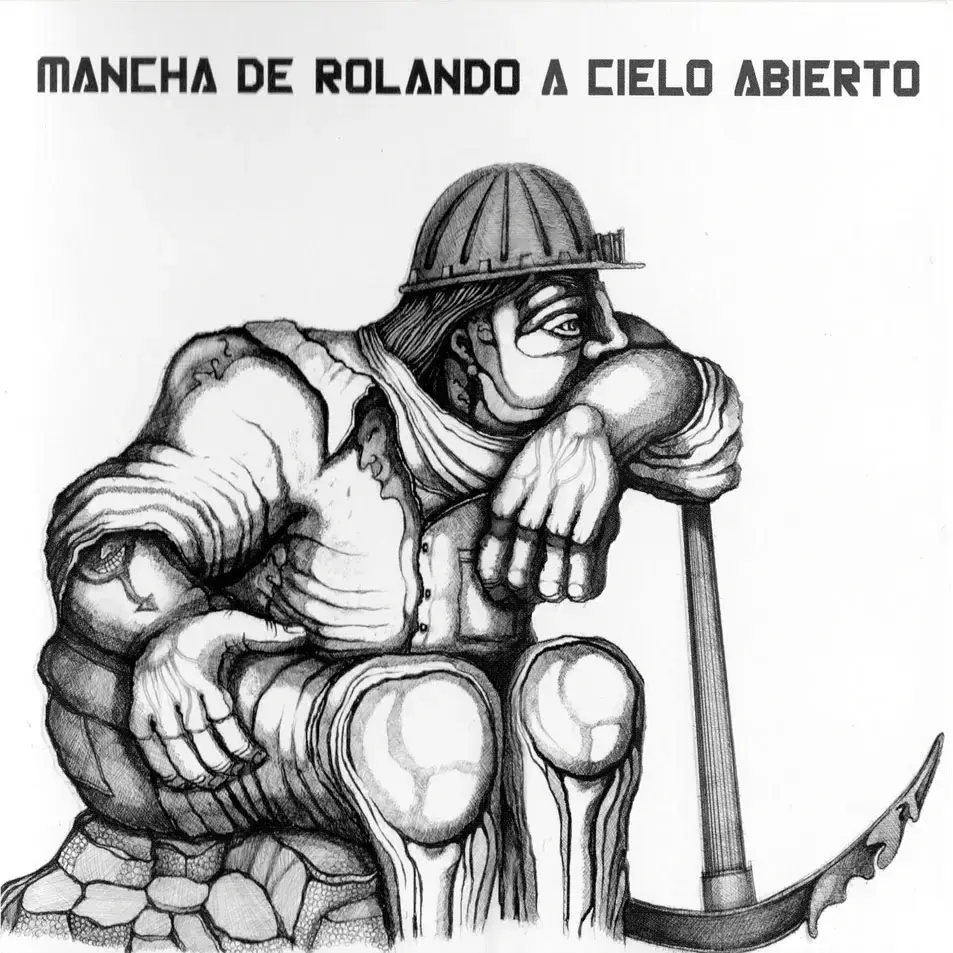
The lyrics paint a stark picture of a miner's life, grounded in the raw physicality of extraction and the unforgiving environment. The opening lines establish a routine of working under the open sky, fueled by fire and an ingrained sense of duty: "es mi ley extraer el mineral." This isn't just a job; it's presented as an inherent part of the narrator's identity, tied to the very land of his birth. There's a palpable sense of isolation, underscored by the repeated "Ahí" and the mysterious presence of "el duende blanco," a spectral figure seemingly tied to the mine, felt but unseen.
The central tension arises from the narrator's complex relationship with this existence, particularly in the chorus. The repeated "I don't know" about the origin and destination of something – described as both "hilante e ilegal" and "elegante y natural" – suggests a profound bewilderment and perhaps a resignation to forces beyond his understanding. This juxtaposition hints at the inherent contradictions of his labor: it's both a natural, almost elegant, part of his life and something illicit or absurdly difficult. The constant questioning creates a feeling of being adrift, even while performing a deeply rooted task.
The most striking craft element is the abrupt shift in perspective and tone in the final stanza. The narrator declares, "Ya estoy afuera, no volveré," signaling a definitive break from the mining life and the harsh environment, the "monte de acero." The anticipation of "la primavera" offers a hopeful contrast to the current cold, suggesting a desire for renewal and escape. This final declaration provides a powerful sense of liberation, even if the circumstances of this departure remain ambiguous, leaving the listener with a sense of hard-won freedom.