Song Meaning
The lyrics paint a stark picture of stagnation and decay, opening with a sense of emptiness and a home that's lost its life. The narrator clings to a desperate pursuit, holding onto a person with the intensity of a "smoking gun." This suggests a relationship or situation that is both vital and dangerous, a source of both connection and potential destruction. The repeated question, "Are we the dining dead?" and the image of being "silhouettes of ourselves" powerfully convey a feeling of being alive but not truly living, trapped in a state of passive existence.
The central tension lies in the urgent call to action versus the inertia of the current state. The narrator implores "Romanek" to "cash your chips" while they still have value and to "Don't wait for an apocalypse." This isn't just about financial gain; it's a plea to seize opportunities and make decisive moves before it's too late, before external forces or internal decay render those choices meaningless. The idea of an "apocalypse" as a trigger for action highlights a profound reluctance to act independently.
The most striking craft element is the direct address to "Romanek," repeated like a mantra, interspersed with the imperative commands. This creates a sense of internal dialogue or a desperate plea directed at a specific, perhaps unresponsive, entity. The contrast between the "smoking gun" of connection and the "dining dead" of existence, alongside the urgent "cash your chips" versus the passive "wait for an apocalypse," amplifies the feeling of being caught between a volatile present and a potentially bleak future.
These lyrics hit hard because they tap into a universal fear of wasted potential and the paralysis that can set in when faced with difficult choices. The imagery is visceral, evoking a sense of decay and desperation. The insistent repetition of "Romanek" and the core questions about living versus existing make the listener question their own state of being and the urgency of their own unmade decisions.
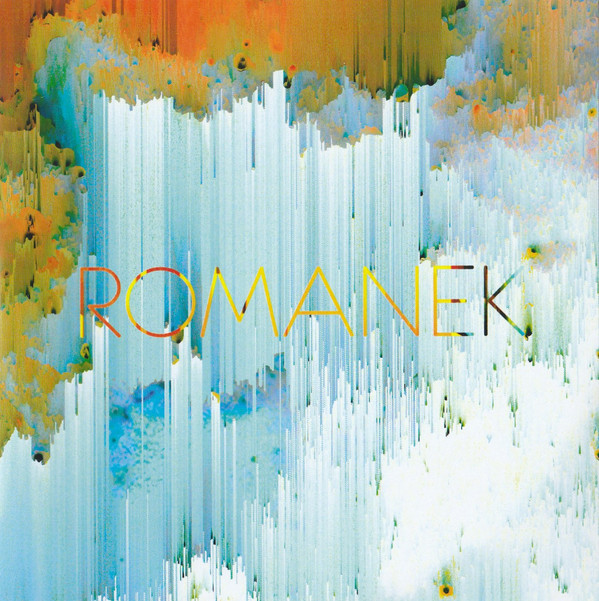
 View Artist