Song Meaning
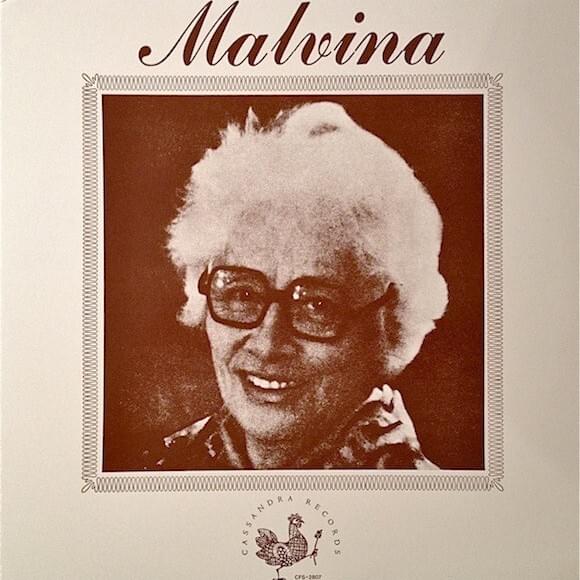
Malvina Reynolds's "You'll Be a Man" isn't a pat-on-the-back graduation speech; it's a barbed-wire critique of toxic masculinity, dressed as a lullaby. The promise of manhood, delivered in a mother's seemingly gentle voice, quickly reveals itself as a Faustian bargain. Reynolds lays bare the brutal transaction: trading empathy and critical thought for the seductive power of unquestioning obedience and violence. The green beret isn't a symbol of honor here, but a mask concealing the erosion of individuality. "Answer ev'ry question with a gun" isn't just about military service; it's a chillingly efficient method for shutting down dissent, both internal and external. The lyrics paint a picture of a soul systematically stripped of its humanity.
The song’s genius lies in its understanding of how violence, once normalized, doesn't simply vanish when the uniform comes off. Reynolds deftly illustrates how the soldier's training—the impulse to dominate and suppress—morphs into a civilian guise. The "neat civilian brown" and "proper cut" become the new uniform, signifying conformity to a different set of oppressive social norms. The enemy shifts from a foreign combatant to anything deemed inconvenient or incomprehensible. The barbed wire and handcuffs become metaphors for the tools used to control not just bodies, but also ideas. The core message of the “You'll Be a Man” lyrics is that the violence, once learned, is internalized and then re-applied to the world, in ways both subtle and overt.
Ultimately, "You'll Be a Man" is a lament for lost potential, a warning against the seductive allure of power obtained through dehumanization. The final verse, with its chilling image of covering anything that grows with cement, encapsulates the song's central theme: the stifling of life, creativity, and independent thought in the name of a narrow, destructive definition of manhood. The song's cyclical structure, beginning and ending with the same ominous promise, reinforces the sense of inevitability and the difficulty of escaping this deeply ingrained societal trap. Reynolds's song meaning is not just anti-war, but a broader commentary on the psychological damage inflicted by systems that prioritize control over compassion.
 View Artist