Song Meaning
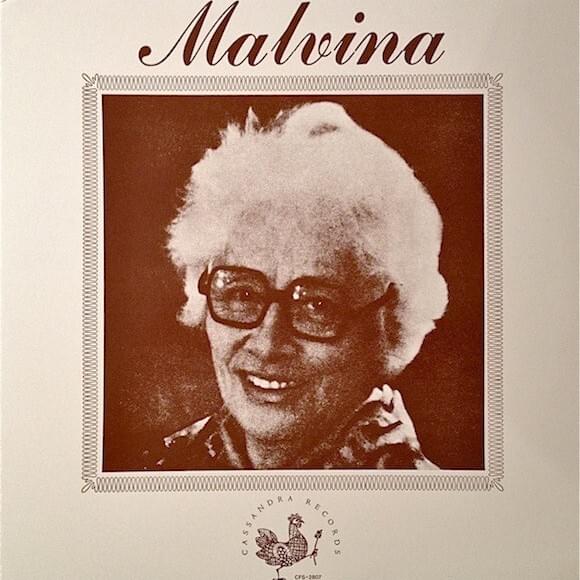
Malvina Reynolds' "There's a Bottom Below" isn't just a song; it's a stark, almost nihilistic, commentary on the human capacity for despair. The cyclical nature of the lyrics, anchored by the repeated chorus, reinforces the feeling of an inescapable descent. Reynolds isn't offering a shoulder to cry on; she's pointing out the seemingly endless abyss that lies beneath whatever 'bottom' you think you've already reached. The deceptively simple melody clashes with the profound bleakness of the message, creating a haunting effect that lingers long after the song ends. It's a musical embodiment of the psychological concept of 'learned helplessness,' where the individual believes their actions are futile in preventing negative outcomes.
The verses amplify this sense of hopelessness. Lines like "Every once in a while you'll rise and glow / But that's only so they can let you go down" suggest that even moments of respite or joy are merely setups for a more devastating fall. This sentiment reflects a deeply cynical view of existence, where suffering is not only inevitable but also actively orchestrated by some unseen force – be it fate, society, or the human condition itself. The party scene, where the narrator observes others' joy from a detached distance, highlights the isolating nature of profound depression. It's a feeling of being present but utterly disconnected, a ghost in one's own life.
Ultimately, the song's meaning resides in its unflinching portrayal of the potential for human suffering. Reynolds doesn't offer easy answers or comforting platitudes. Instead, she forces the listener to confront the uncomfortable truth that there might not be a limit to how far one can fall. The "nightmare kind where you fall and fall / And you wake to find you haven't been dreaming at all" is perhaps the most chilling line, suggesting that even our worst fears are grounded in reality. "There's a Bottom Below" is a brutal, yet strangely compelling, exploration of the depths of human despair, solidifying Malvina Reynolds' reputation as a folk artist unafraid to tackle the darkest aspects of the human experience.
 View Artist