Song Meaning
{"song_id": 10714612, "meaning": "Malvina Reynolds's \"The Judge Said\" isn't subtle; it's a Molotov cocktail lobbed at the systemic misogyny baked into the legal system. The raw, almost sarcastic lyrics expose the horrifying logic that blames women for the violence perpetrated against them. Reynolds uses the figure of the judge – specifically referencing a real judge, Simonson – as a synecdoche for the entire patriarchal structure that enables and excuses sexual assault. The core message of \"The Judge Said\" isn't just about one bad apple; it's about a rotten tree. The song's power resides in its unflinching portrayal of victim-blaming as an institutional norm, where a woman's existence is twisted into justification for abuse: \"They brought it on themselves / By being born a woman.\"
The chorus, a call to arms disguised as a schoolyard taunt, provides a cathartic release. The petition, a symbol of collective action, becomes a means to \"screw the judge\" – a double entendre that reclaims the power dynamic. Reynolds cleverly contrasts the lenient treatment of those who \"violate a woman\" with the harsh penalties for harming property or institutions (\"beat a horse or dog / Or violate a bank\"), highlighting the skewed priorities of a system that values objects over human beings. This comparison underscores the dehumanization inherent in the judge's (and, by extension, society's) view of women.
The final verse escalates the critique, drawing a direct line between the judge's backward thinking and oppressive cultural practices. Reynolds doesn't mince words, accusing the judge of being from \"the Middle Ages\" and advocating for a return to purdah, where women are forced to live in fear and hide themselves away. This isn't just a legal argument; it's a psychological dissection of the deep-seated anxieties and power fantasies that fuel misogyny. \"The Judge Said\" functions as both a protest song and a stark warning: complacency in the face of injustice is not an option."}
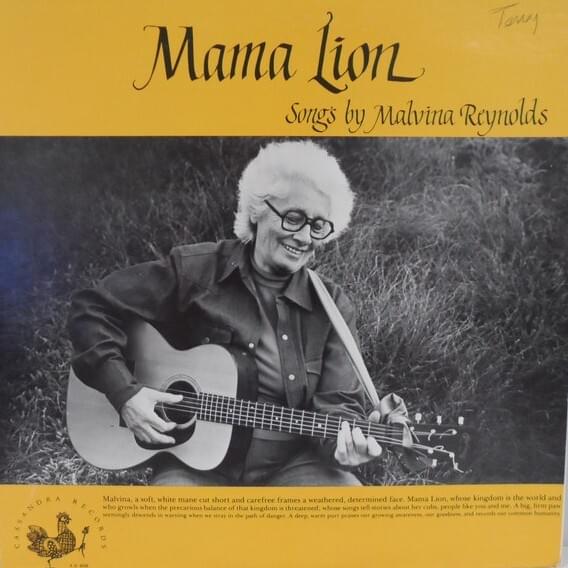
 View Artist