Song Meaning
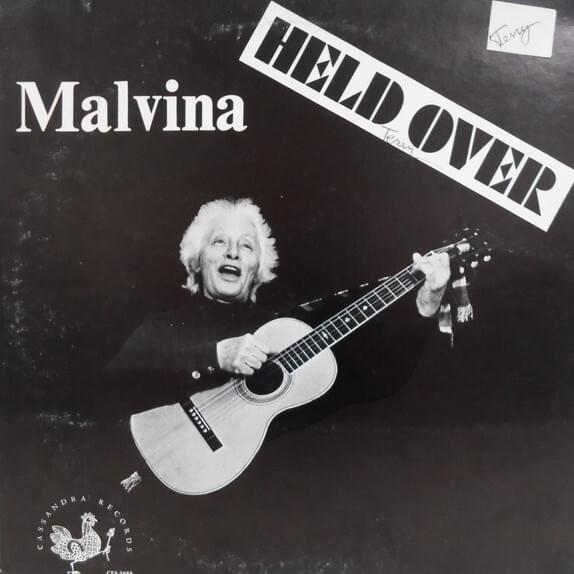
Malvina Reynolds' "Rosie Jane" isn't just a song; it's a stark, feminist declaration disguised as a folk ballad. Addressed directly to women, with a clear warning to men – specifically those in positions of power – to listen but not interfere, the song cuts to the quick of reproductive rights and societal judgment. Reynolds' Rosie Jane is caught in a cycle of poverty and pregnancy, a situation ripe for condemnation, yet the song pointedly refuses to join the chorus of shame. Instead, it probes the hypocrisy of a society that demands a fetus be protected at all costs, while simultaneously condemning the mother and ensuring the child's life will be one of suffering. The rhetorical question, "Rosie Jane, was it love?" hangs heavy in the air, suggesting the limited options available to women like Rosie. The resigned verse about forgetting the pill and attributing the pregnancy to "God's will" drips with bitter irony, highlighting the lack of control women often have over their own bodies and destinies.
Reynolds doesn't shy away from the grim realities of Rosie Jane's situation. The lyrics unflinchingly predict a future of neglect and hardship for the child, painting a bleak picture of a life "picked upon and pecked, and run over and wrecked." The image of the child's "head will be crowned with the thorn" is a powerful, almost biblical indictment of the societal forces that perpetuate this cycle. However, Reynolds' central argument lies in the inherent contradiction of protecting the unborn while simultaneously dooming the born child to a life of misery. This juxtaposition exposes the performative nature of anti-abortion rhetoric, suggesting it's less about the sanctity of life and more about controlling women's bodies.
Ultimately, "Rosie Jane" transcends a simple narrative about a woman struggling with repeated pregnancies. It becomes a broader commentary on the systemic oppression of women, the lack of access to reproductive healthcare, and the judgmental attitudes that trap women in cycles of poverty and despair. By giving Rosie Jane a voice, Reynolds challenges listeners to confront their own biases and consider the complex ethical and social implications of reproductive rights. The song’s enduring power lies in its unflinching honesty and its refusal to offer easy answers, forcing us to grapple with uncomfortable truths about gender, class, and the value we place on human life.
 View Artist