Song Meaning
{"song_id": 10714634, "meaning": "Malvina Reynolds' \"Back Alley Surgery\" isn't just a protest song; it's a stark, unflinching indictment of systemic hypocrisy. The opening lines, dripping with sarcasm, set the stage: the Supreme Court, a body ostensibly representing the populace, remains insulated from the lived realities of women, particularly those facing unwanted pregnancies. Reynolds immediately establishes the core tension – the chasm between abstract legal pronouncements and the brutal consequences visited upon the marginalized. The \"heavy door\" symbolizes not just the Court's physical barrier, but also the ideological wall separating privilege from desperation. The song's power lies in its refusal to shy away from the graphic realities of illegal abortions.
The repeated refrain, \"Back alley surgery kitchen knife solutions / Wire hanger abortions for the poor,\" serves as a chilling reminder of the pre-Roe v. Wade era (and a warning against its potential return). The imagery is deliberately visceral, forcing listeners to confront the horrifying choices faced by women with limited resources. Reynolds doesn't engage in abstract debates about morality; she focuses on the tangible suffering inflicted by restrictive laws. The contrast between the \"well-to-do people\" who can navigate the system and the vulnerable – \"teenage drifter[s]\" and \"battered children\" – underscores the class dimension of reproductive rights. This isn't merely about abortion; it's about social justice, equality, and access to healthcare.
Reynolds broadens the scope beyond individual cases, implicating the \"pro-life\" movement in the cycle of suffering. The line, \"Pro-life offers them in their need / Back alley abortions for the poor,\" is a devastating critique of the movement's failure to address the root causes of unwanted pregnancies and the lack of support for women and children in need. The song subtly suggests that forcing women to carry unwanted pregnancies to term, without providing adequate social safety nets, is a form of violence in itself. \"Back Alley Surgery\" remains a potent and relevant song, a call for empathy and a demand for reproductive justice for all, regardless of socioeconomic status. It’s a psychological portrait of a society that claims to value life, yet actively perpetuates conditions that lead to suffering and death."}
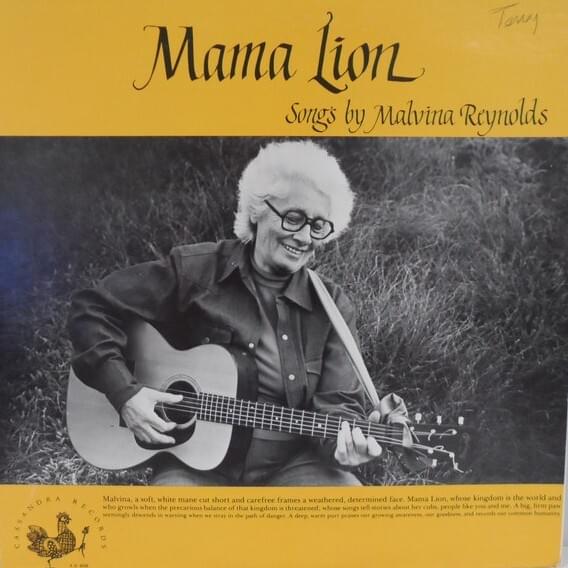
 View Artist