Song Meaning
“A tu vera” immediately plunges us into a world of intense, unwavering devotion. The speaker pledges to remain “by your side” until they “de amor me muera” — literally, die of love. This isn't just a promise; it's a defiant declaration, setting a tone of profound, almost fated attachment.
The lyrics quickly establish a litany of prohibitions. The speaker recounts being told “Que no mirase tus ojos,” not to look in the beloved's eyes, nor to approach their home. These aren't internal struggles but external commands, suggesting a community or authority actively trying to sever the connection. The repeated “dicen y dicen” (“they say and say”) underscores the constant hum of gossip and judgment surrounding this profound attachment.
Perhaps the most striking image arrives with the declaration, “Así empezó mi ceguera” (“Thus began my blindness”). After intensely “looking and looking,” the speaker isn't just observing; they're overwhelmed, suggesting a love so consuming it reshapes perception itself. This emotional blindness stands in stark contrast to the later, almost ritualistic threats: “They can now drive daggers,” “cross scissors,” or “cover with salt” the beloved's door. These powerful, almost folkloric images evoke curses or attempts to magically sever the bond, yet the speaker remains unyielding.
The effectiveness of these lyrics lies in their raw, almost primal emotionality, built through stark contrasts and relentless repetition. The speaker's steadfast commitment directly confronts every attempt to separate them, from whispered rumors to potent, destructive imagery. This creates a powerful narrative of love as an unshakeable force, enduring against all odds and external pressures, making the devotion feel both timeless and fiercely personal.
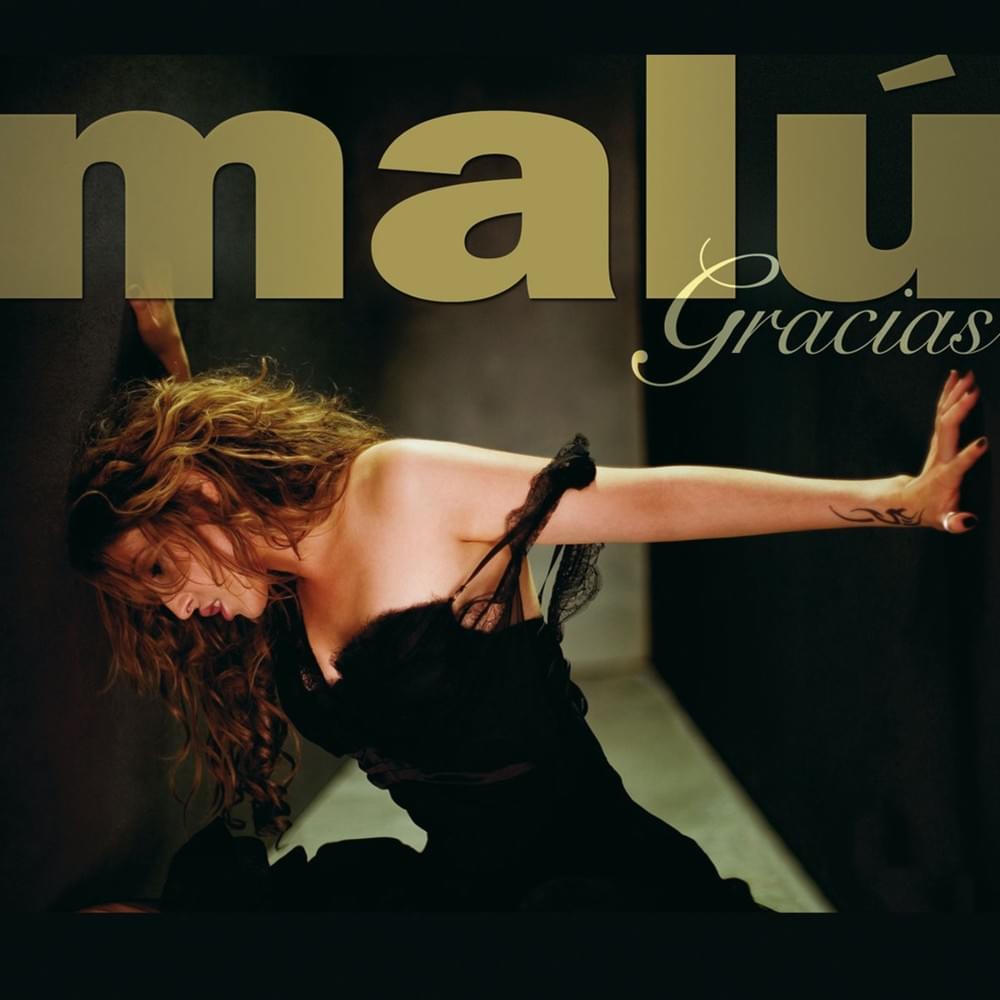
 View Artist