Song Meaning
This track opens with a visceral image of primal rage, comparing the narrator's people to a wild animal "harta ya del castigo" – fed up with punishment. The dominant tone is one of simmering anger and deep-seated weariness, a feeling that the collective spirit is being actively consumed. The lyrics paint a stark picture of exploitation, where private interests "consumen a diario / La sangre que nos parió," suggesting a parasitic relationship that drains the very lifeblood of the community. This isn't just about economic hardship; it's about the commercialization of dreams, turning aspirations into pre-packaged commodities that are then bought, implying a loss of authentic self-determination.
The central tension arises from the contrast between the passive consumption of manufactured dreams and the active, almost violent, disruption of the lyrics describe. The "fruto / De los viejos laburantes" is being cut, leading to "carreras sin llegadas" and "futuros sin principios," a world where hard work yields no tangible reward and morality is dictated by "bancas privadas." This creates a sense of profound injustice, a feeling that the established order is actively dismantling the foundations of a meaningful life for ordinary people. The lyrics suggest that silence in the face of this is futile, "como hablarle al silencio," highlighting the need for a more forceful response.
The power of these lyrics lies in their potent imagery and the escalating sense of collective identity. The shift from the individual "mi pueblo en mi sangre" to the collective "Somos familias enteras / Somos verdades valientes / Somos el grito de guerra" is crucial. This transformation culminates in the declaration "De las razones concientes," framing the anger not as mere complaint, but as a conscious, deliberate act of resistance. The repeated use of "Somos" (We are) builds a powerful sense of solidarity, transforming individual grievances into a unified, defiant voice against systemic oppression.
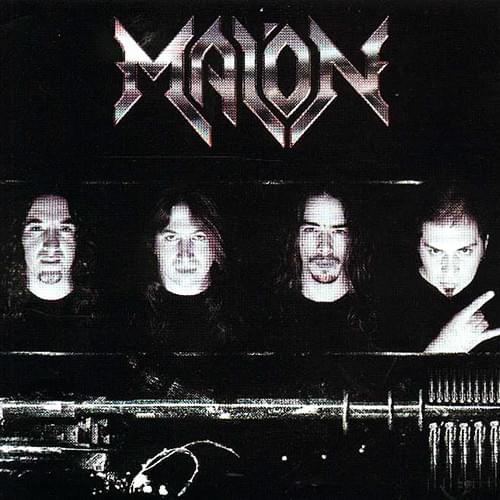
 View Artist