Song Meaning
The lyrics paint a stark picture of systemic decay, framing societal problems as an "antiquated achievement" where blame is misdirected. The narrator questions whether the "burden of woes" would exist without the "tyrannous" imposing it, immediately establishing a tone of critical disillusionment with established power structures. This sets the stage for a desperate call for change, encapsulated by the insistent refrain, "Now or never, reform decay."
The central tension arises from the perceived inevitability of societal rot, driven by "modernization" and the "marriage of government" with "industries." This union, the lyrics suggest, breeds "dysfunction" and controls "notions of equality," reducing people to "wage slaves" who are merely "maintenance of this struggle for change." The concept of "new suffering" directly confronts the idea that progress has brought genuine improvement, instead implying a cyclical or escalating form of hardship.
The most striking craft element is the stark, almost clinical repetition of "I feel the pressure of time / I feel the whirlwind unwind." This phrase, appearing at the end, grounds the abstract critique in a visceral, personal experience. It transforms the grand societal collapse into an immediate, overwhelming sensation, suggesting that the weight of this decay is not just an intellectual observation but a palpable, disorienting force.
What makes these lyrics hit hard is their direct, unvarnished indictment of power and their grounding of that critique in a feeling of personal overwhelm. The contrast between the grand, almost abstract pronouncements about "tyrannous" forces and the intimate, sensory "pressure of time" creates a powerful sense of urgency. The repeated calls to "reform decay" and "attack" feel less like hopeful slogans and more like desperate pleas born from this suffocating realization.
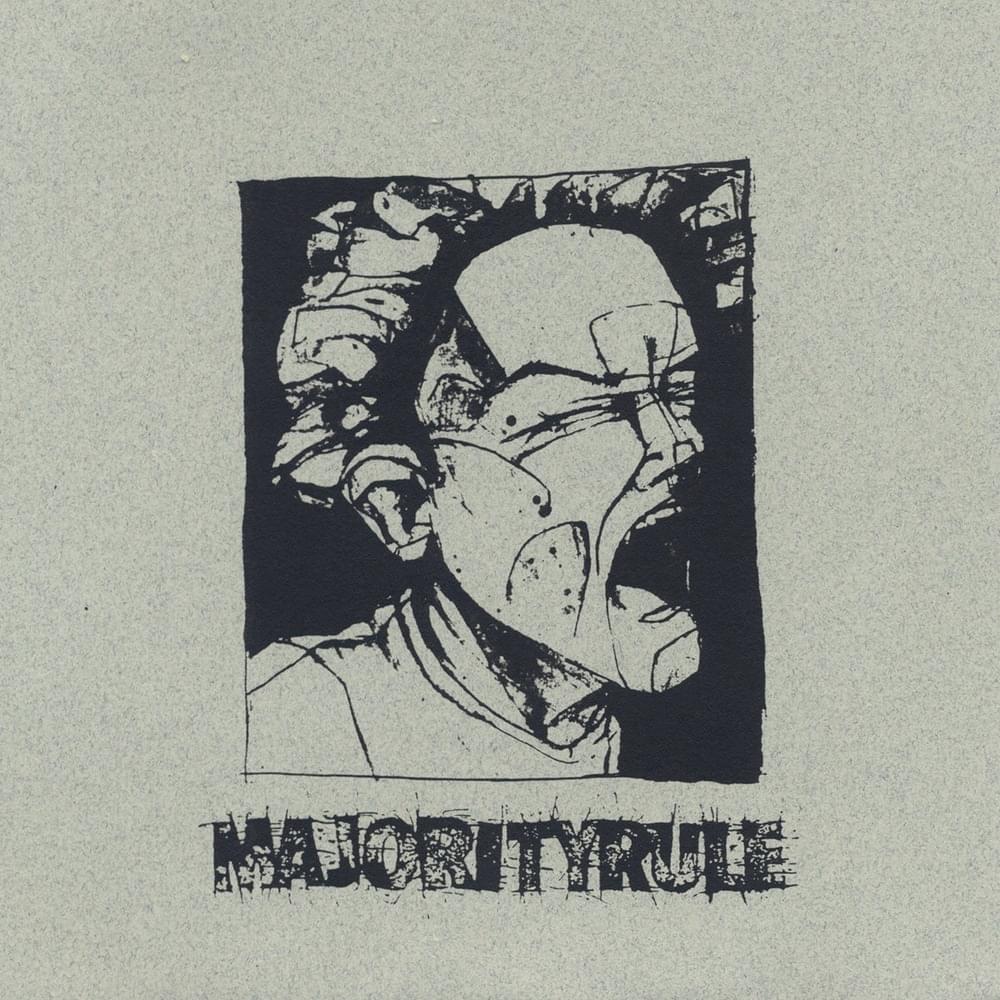
 View Artist