Song Meaning
The lyrics paint a picture of a solitary figure adrift, consumed by a sense of inadequacy and the memory of someone's laughter. The opening lines, "White, floating, / Me and the crescent moon / Will likely be drunk up without leaving a single thing," immediately establish a tone of passive surrender to an overwhelming force, perhaps time or despair, that erases the self and its surroundings. This sets a stage of quiet dissolution, where even the passage of time feels arrested, leaving the narrator isolated with their internal struggles.
This internal conflict is starkly defined by the juxtaposition of "inferiority complex" and "your laughing face." The narrator feels trapped in this space, yearning to "tear it apart." The repeated desire to "tear it apart" suggests a desperate attempt to break free from the oppressive weight of self-doubt and the haunting image of the other person's amusement. The lyrics convey a profound reluctance to face loss, stating, "Even if I lose, I don't want to hear such words," indicating a deep-seated fear of acknowledging defeat or pain.
The imagery of a "one-legged sandal" lost somewhere, wandering, further emphasizes the narrator's disoriented and incomplete state. This physical metaphor mirrors their emotional and psychological fragmentation. The idea of "fading body temperature and mistakes" being "submerged" suggests a desire for oblivion, a wish to let go of past errors and the physical sensations of life itself. The lyrics seem to propose a surrender to this submersion as a means of escaping the torment of their inferiority complex and the memory of laughter.
The effectiveness of these lyrics lies in their delicate yet potent portrayal of internal anguish. The contrast between the passive, almost ethereal imagery of floating and submersion, and the active, violent desire to "tear it apart," creates a compelling tension. The haunting repetition of the laughing face and the inferiority complex, coupled with the quiet acceptance of being "drunk up," makes the narrator's struggle feel both intensely personal and universally understood in its quiet desperation.
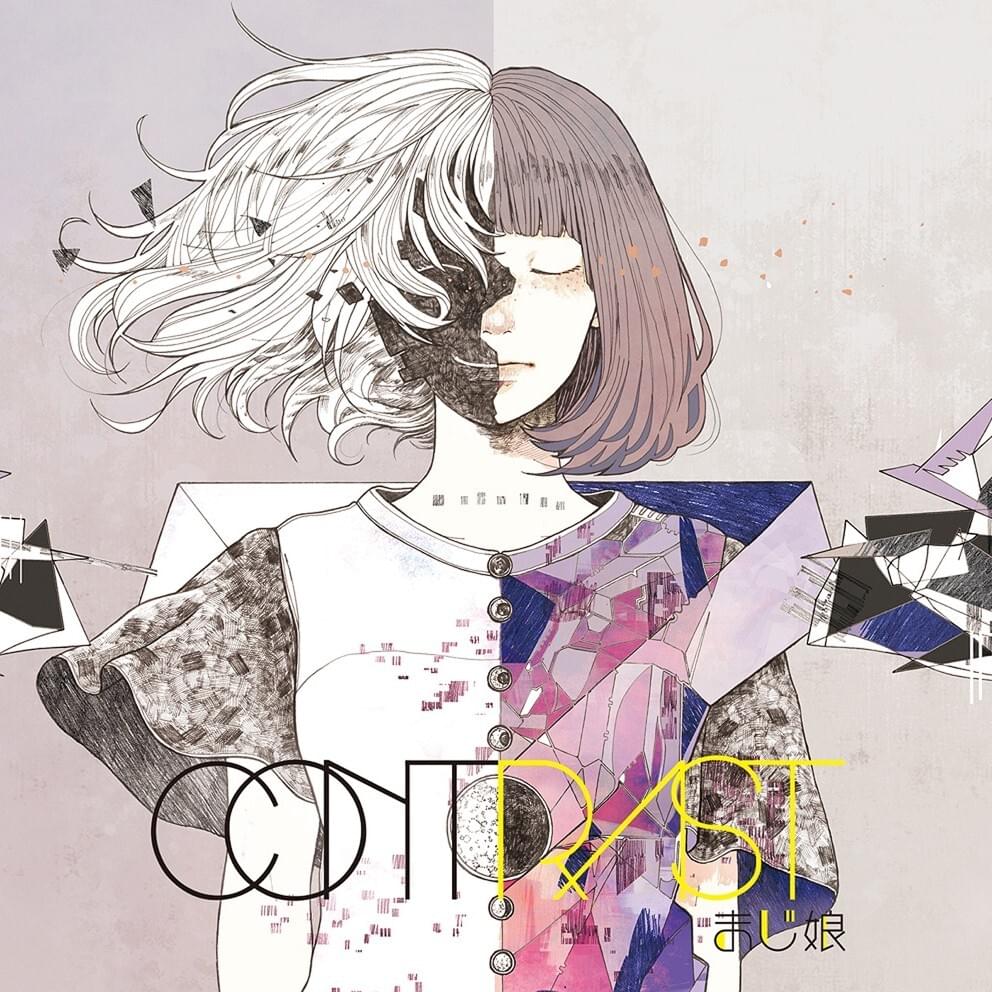
 View Artist